
The Old Walk is Poison
How the stereotypical neighborhood walk has turned our dogs into frustrated, unfulfilled, & reactive balls of tension.
Updated: July 13, 2026
Written by: Jon Somers
Reviewed by: Matt Cochran, Certified Professional Dog Trainer
Ask anyone you know what a ‘walk’ is.
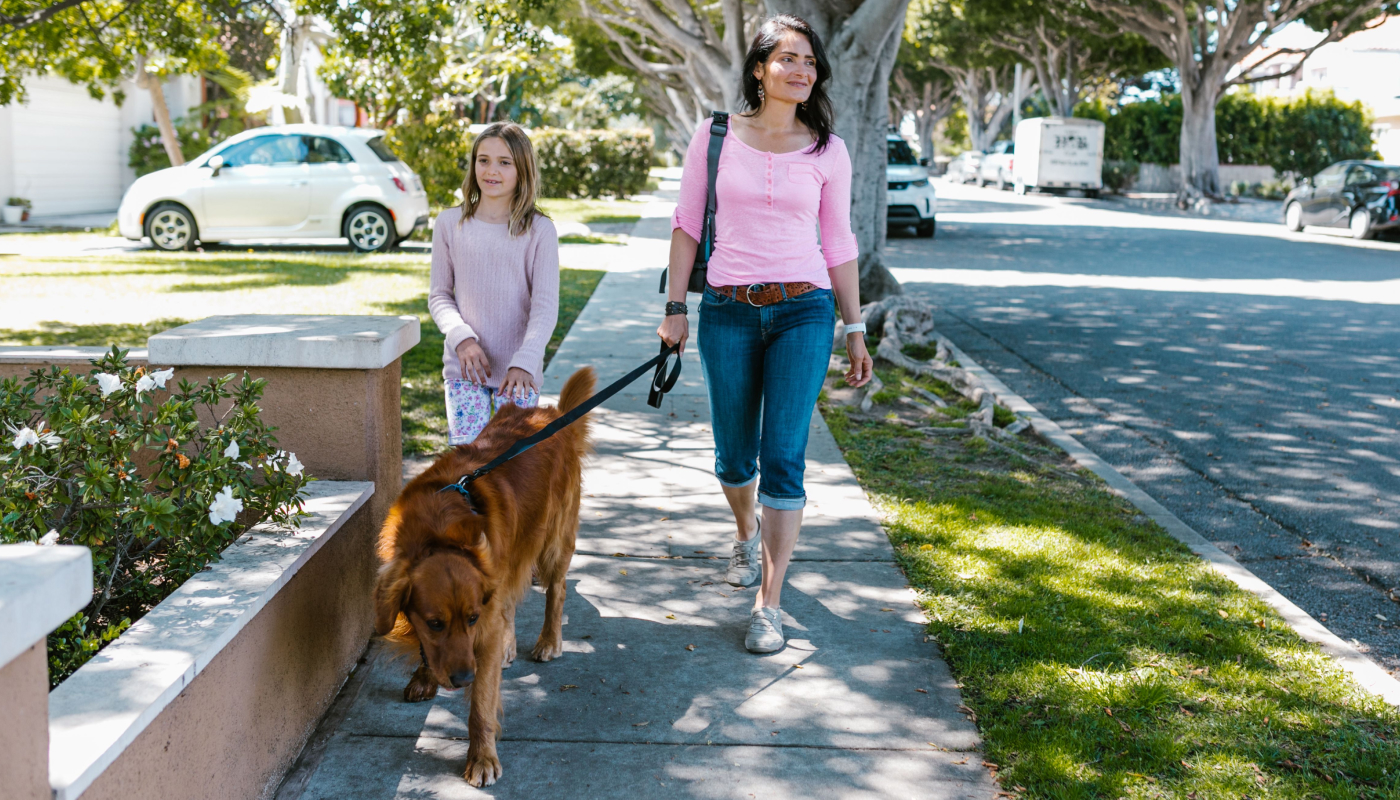
I can guarantee that the vast, vast majority of people will respond with the same general picture — A golden retriever, on a 6-foot leash, happily walking at their owner’s side around the peaceful suburban neighborhood.
This is what we think of when we think of “walking the dog.”
It’s also one of the main culprits behind the explosion of dog reactivity we’re seeing all across the world.
I know that’s a bold claim. But once you really dig into what this stereotypical “walk” does (and doesn’t) do for young, energetic, curious dogs... you start to understand.
We take an animal that is built to roam, sniff, explore, chase, investigate, and interact with the environment. Then we put them on six feet of leash and ask them to move at our speed (usually slower than they’d choose), in our direction (which they may have no interest in), along the exact route we chose (which they’ve been on 100 times before).
Day after day.
Whenever they try to stop, we pull them forward. Whenever they move too fast, we pull them back. If they want to investigate something off to the side, we steer them away from it. If they’re uncomfortable and want more space, the leash prevents that too.
Then another dog appears around the corner, and we’re surprised when all of that pressure comes roaring out at once.
The Standard Walk Was Built For Us
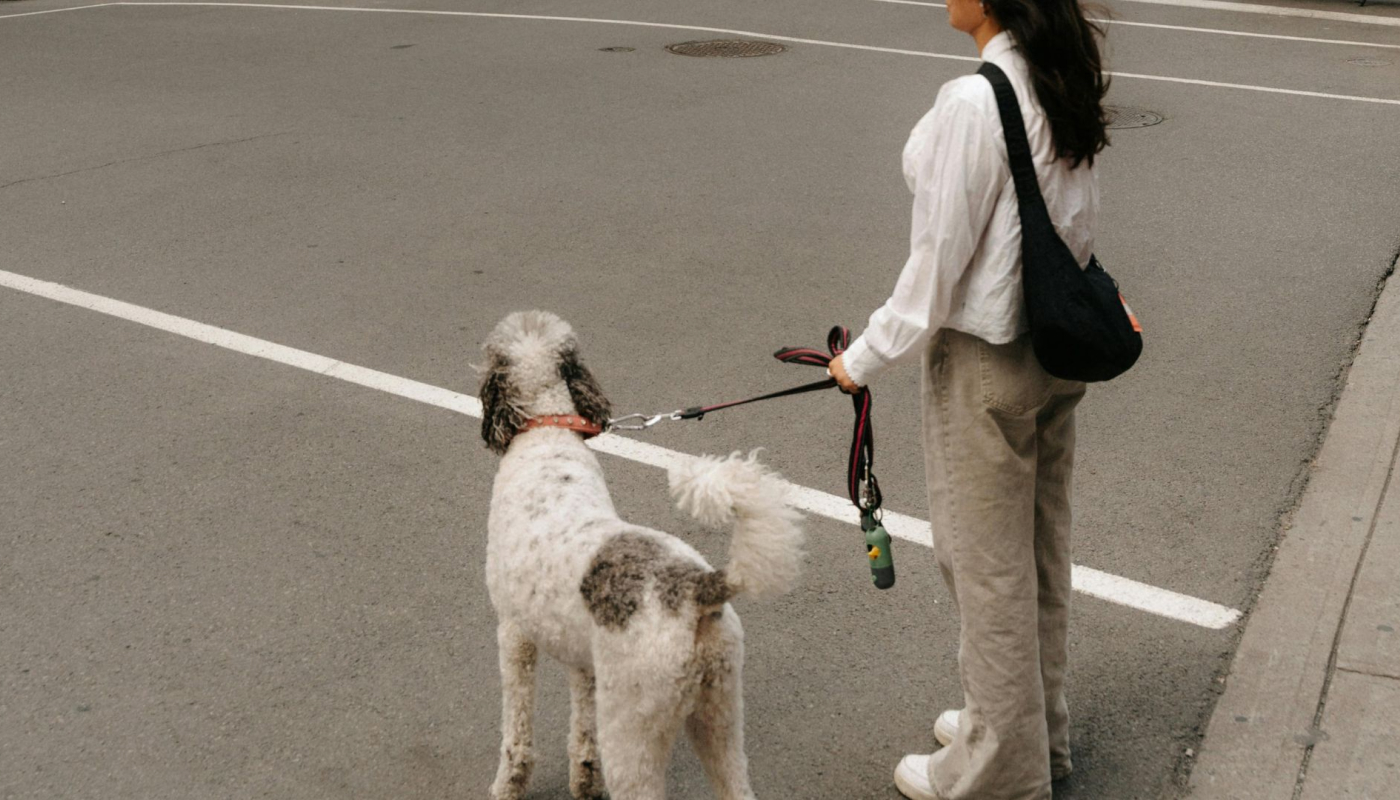
The old neighborhood walk is convenient.
You clip on the leash, walk out the front door, make a lap around the block, and come home.
No driving... no planning... it fits neatly into our lives.
But convenience for us does not usually mean fulfillment for them.
Most people judge the quality of a walk by distance and duration. If the dog covered a full mile and was outside for 45 minutes, they must have gotten a good walk.
But dogs do not experience the walk in miles or minutes.
They experience it through smells, movement, exploration, choice, and the ability to engage with the world around them. A dog can march three miles beside you and still come home frustrated, restless, and mentally unsatisfied if it is the same old experience they had yesterday, and the day before, and the day before...
Meanwhile, another dog might spend 15 minutes wandering around a field, covering half the distance, and come home completely fulfilled because they were actually allowed to use their nose, chase birds, move freely, and make some choices for themselves.
Those are two very different experiences, even if we call both of them a “walk.”
The Old Walk Becomes A Rehearsed Routine
Dogs are extremely good at recognizing patterns.
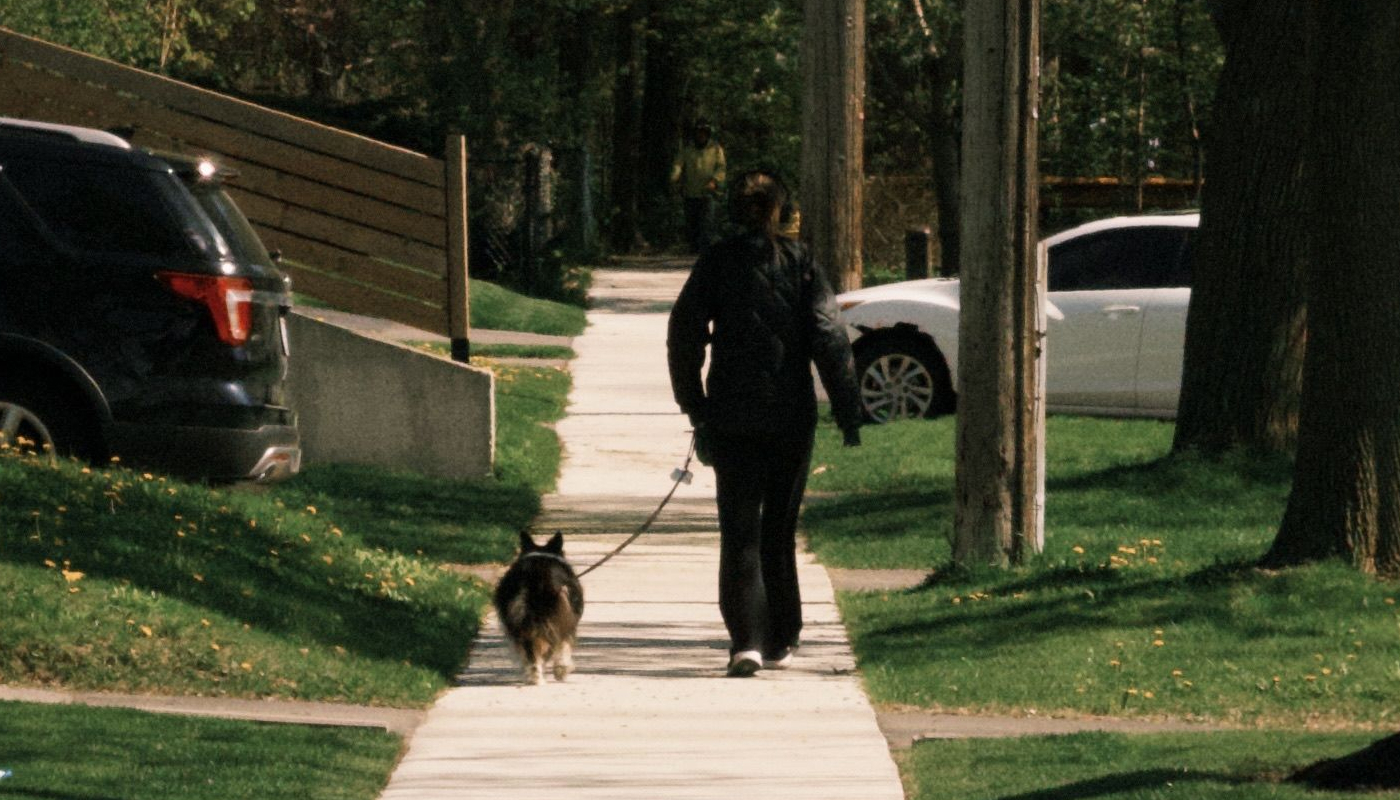
They notice when you put on your walking shoes. They hear you grab the leash. They know which door you leave through and which direction you normally turn.
They also remember where the neighborhood dogs live.
They know which fence has the big German Shepherd behind it. They know which window has the yappy Yorkie. They know which corner with the tall hedges has had a surprise waiting for them before.
After enough repetitions, your dog does not need to see a trigger before becoming aroused.
The walk itself becomes the trigger.
The leash comes out, and your dog starts pacing.
You open the front door, and they begin scanning.
You turn onto the usual street, and their body gets tighter because they know what normally happens there.
Your dog is no longer experiencing the environment as it unfolds. They are anticipating conflict based on everything that has happened on this route before.
Whether a trigger appears or not, they may spend the entire walk waiting for one.
And for many dogs, that moment is when they finally get to let loose.
The Reaction Becomes The Reward
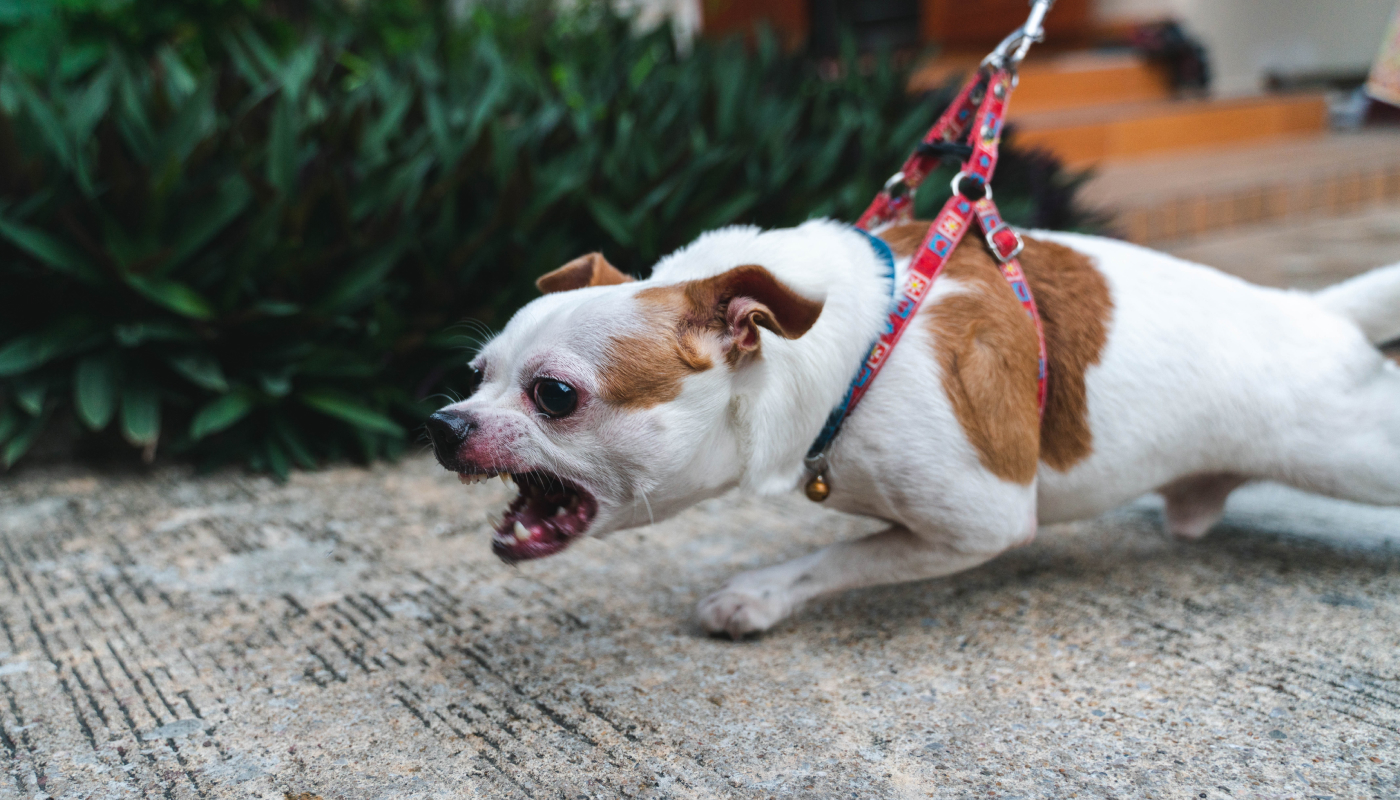
Every time your dog barks, lunges, and loses their mind, all of that built-up pressure gets released.
For some dogs, the reaction makes a scary thing go away (MUCH less common than is widely believed)
For others, barking and lunging is exciting. It scratches an instinctive itch, gives them an outlet, or becomes the most stimulating part of their entire day.
Either way, the reaction pays off.
So the dog’s brain remembers it.
The next time a trigger appears, they react a little faster. A little harder. With less hesitation.
And every time they repeat the pattern, it becomes more automatic.
Then we take them on the same route again tomorrow, where the same pressure builds, the same trigger appears, and the same explosion follows.
“But My Dog Needs Exercise”
Of course they do.
The answer is not to stop taking your dog outside, lock them in the house, and hope the reactivity disappears.
But we need to stop treating the standard neighborhood loop as the default way to exercise every dog.
Walking in a straight line beside you is only one kind of movement, and usually not the kind dogs would choose for themselves.
Given more freedom, most dogs will naturally alternate between:
- Walking and trotting
- Stopping to sniff
- Moving ahead, then circling back
- Exploring objects and terrain
- Following scent trails
- Running in short bursts
- Watching or listening to something in the distance
- Resting for a moment before moving again
That natural stop-and-start rhythm is far more mentally engaging than marching around the block at one steady pace.
It also gives them something the old walk rarely does:
Choice.
Give Your Dog A Taste Of Freedom
Instead of leaving through the front door and following the usual route, load your dog into the car and drive somewhere with more space and fewer triggers.
That could be:
— A quiet park or nature trail
— A baseball or soccer field when nobody is using it
— A school field after hours
— A corporate campus on the weekend
— A cemetery
— A large Sniffspot
— A utility corridor
— A quiet patch of woods
— A random open field you have driven past a hundred times
It does not have to look like a postcard. You are not searching for the perfect hiking destination.
You just need enough room for your dog to move around without immediately being trapped between you, a short leash, and a trigger.
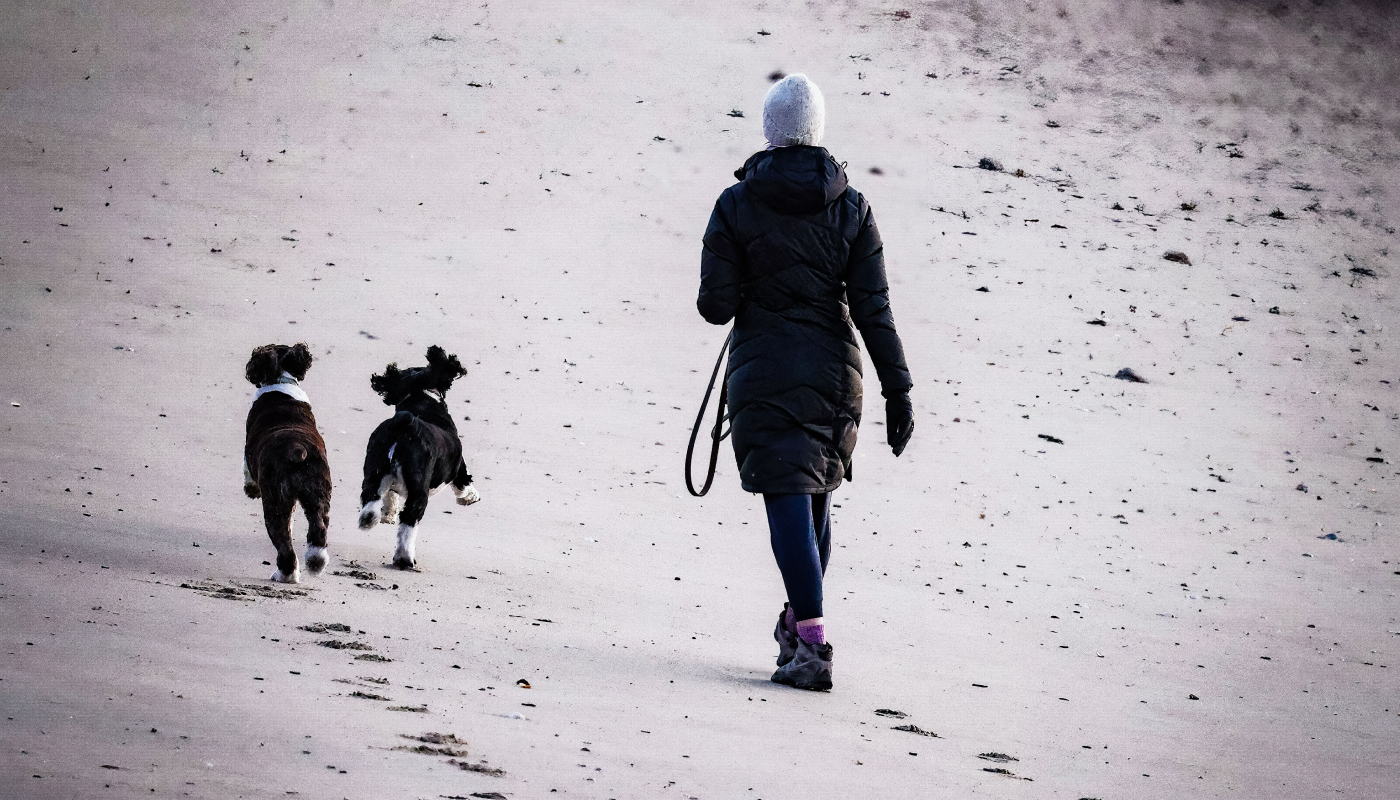
Put them on a longline or a retractable leash and let them explore.
Let them move ahead and lag behind. Let them smell the same patch of grass for as long as they want. Let them follow a scent off the path, roll around, investigate, and move their body in a way that feels natural.
At first, you do not need to drill obedience or turn it into a structured training session.
Just let the outing become enjoyable again.
Let your dog remember that being outside with you can mean something other than restriction, tension, and conflict.
Let yourself remember that too.
The Old Walk Is Not Sacred
The old walk is familiar, convenient, and socially accepted.
That does not mean it is good for every dog.
For many reactive dogs, it has become a daily pressure cooker. It leaves them frustrated, unfulfilled, scanning for trouble, and ready to explode the second a trigger appears.
You do not have to keep doing it just because it is what everyone else calls a walk.
Take a break from the old route.
Give your dog more space.
Let them use their nose, move their body, explore, and actually enjoy being outside with you.
You’ll be stunned at how fast you notice a difference.