
The Total Walk
An easy, enjoyable way to give your dog freedom, build your relationship, and create the foundation that makes real behavior change possible.
Updated: July 7, 2026
Written by: Jon Somers
Reviewed by: Matt Cochran, Certified Professional Dog Trainer
Why do we walk our dogs?
Many dog owners walk their dog every day.
Or at least, they try to.
But very few people ever stop and ask what the walk is actually supposed to do.
We tend to treat it like a box to check.
Dog needs exercise, so we walk.
Dog needs to go potty, so we walk.
Dog needs to burn off energy, so we walk.
All of that is true. But it’s not enough.
Because dogs are animals.
They’re not little humans in fur coats. They’re not robots. They’re not house decorations with a pulse. They are animals with animal needs, and those needs don’t disappear just because they live in a house, sleep on a couch, and eat out of a stainless steel bowl.
They need to sniff.
They need to move.
They need to explore.
They need to experience novelty.
They need outlets for the instincts built into them.
A good walk should meet real needs.
They should be able to use their nose, move their body, explore new smells, experience new places, and engage with the world in ways that actually mean something to them.
That’s the core purpose of a walk. Especially for young dogs or high-drive breeds.
And for reactive dogs especially, this matters a lot.
Because if the daily walk is tense, restrictive, predictable, and filled with the same triggers over and over again, it usually
stops helping. It becomes part of the problem.
The dog starts the walk already keyed up.
The owner starts the walk already bracing.
Both ends of the leash are tense before anything even happens.
That is why we need to think about the walk differently.
Not as a quick lap around the neighborhood.
Not as a strict heel from start to finish.
Not as a treat-pouch management session.
As one of the most important parts of your dog’s life.
And one of the best opportunities you have to build a better dog.
That is where the Total Walk comes in.
What Is The Total Walk?
The Total Walk is a different kind of daily outing.
It is built around giving your dog what they actually need as an animal, while also giving you a simple way to build the foundation required for real behavior change.
That foundation includes fulfillment, cooperation, authority, impulse control, and two-way confidence.
Those are big ideas, and we’ll talk about them more in other posts. But the short version is this:
Before your dog can reliably make better choices around triggers, they need to be in a better place overall.
They need a real outlet.
They need to see you as someone worth cooperating with.
They need to understand that your decisions matter.
They need enough self-control to pause before acting on every impulse.
And you both need more confidence in each other.
The Total Walk helps build all of that in one daily routine.
That is the real beauty of it.
It’s not a complicated training plan. It’s not a list of ten drills you have to squeeze into your already busy day.
It is one outing, done with the right structure and the right intention.
Most of the time, your dog is just being a dog.
They’re sniffing, moving, exploring, playing, and taking in the world.
But inside that enjoyable outing, you’re building the exact qualities your dog needs to become calmer, more responsive, and easier to live with.
A Taste of Freedom
The first major piece of the Total Walk is freedom.
Controlled freedom, to be clear.
Not letting your dog run loose in unsafe places. Not unclipping the leash and hoping for the best.
But your dog needs more room than a standard 6-foot leash can give them.
The 6-foot leash has its place. There are times when you need your dog close to you, especially in tight public spaces or around traffic.
But for the Total Walk, a short leash usually works against the goal.
Your dog needs room to move ahead, lag behind, sniff, follow a scent, circle back, and make small choices. They need enough space to feel like they are actually exploring the world, not being dragged through it.
That usually means using one of three options:
→ A long line.
→ A retractable leash.
→ Or an e-collar (if you know how to use it and are comfortable with it)
The right tool depends on the dog, the owner, and the environment. But the purpose is always the same: give the dog more room to be a dog while still keeping them safe and under control.
This one change alone can be huge.
If your dog has only ever known short-leash walks filled with tension, suddenly having room to explore can change how they feel about the entire outing.
The leash stops feeling like a constant restriction.
It starts becoming the thing that leads them to freedom, space, smells, movement, and adventure.
That shift matters.
Because if your dog sees the leash as frustration and conflict, the walk starts with baggage before you ever leave the house.
But if the leash starts predicting freedom and good things...
The whole picture begins to change.
Related post to link here: The Problem With The 6-Foot Leash →
Space & Novelty Matter
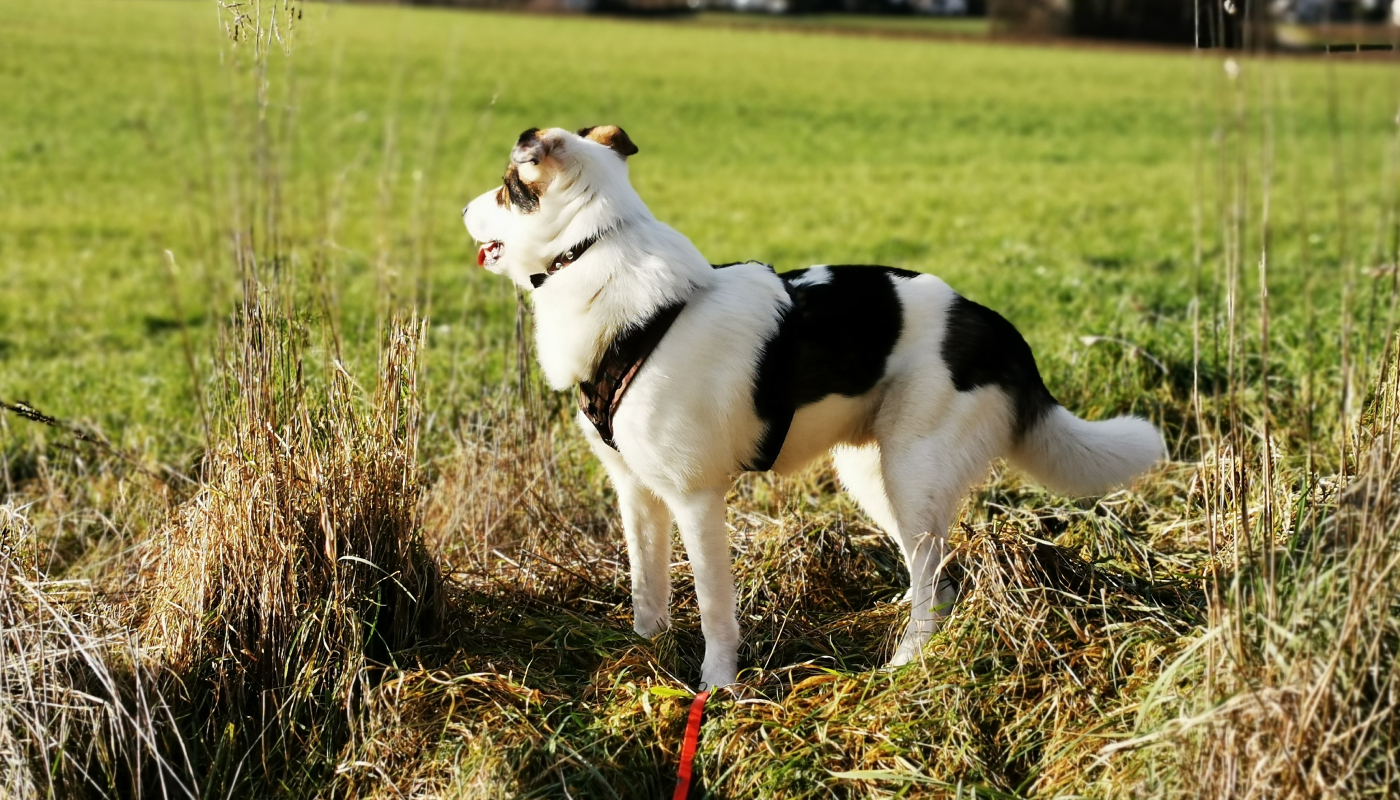
For many reactive dogs, walking straight out the front door into the same trigger-heavy neighborhood is a bad place to start.
Not because you’re going to avoid the neighborhood forever. Not because triggers should be avoided for the rest of your dog’s life. But because early on, your dog may need a better environment to reset the pattern.
Sometimes that means getting in the car and driving somewhere with space.
That could be an open field, a quiet trail, a corporate campus, a cemetery, a Sniffspot, or a random patch of woods you’ve driven past a hundred times and never thought about.
It doesn’t have to be perfect. It just needs to give your dog some room to explore.
Novelty matters too.
New smells, new ground, new sights, new sounds. Dogs live through their nose in a way we barely understand, and a new place can be incredibly fulfilling to them, even if it looks boring to us.
That little empty field you pass on your way to the grocery store might look like nothing.
To your dog, it might be paradise.
A thousand smells. Fresh grass. Different wind. Different terrain. New animal trails. New information everywhere.
That stuff matters to them, deeply. It gives their brain and body something productive to do, and when a dog gets enough of the right kind of stimulation, a lot of the pressure that feeds reactivity starts to come down.
Why We Call It The “Total Walk”
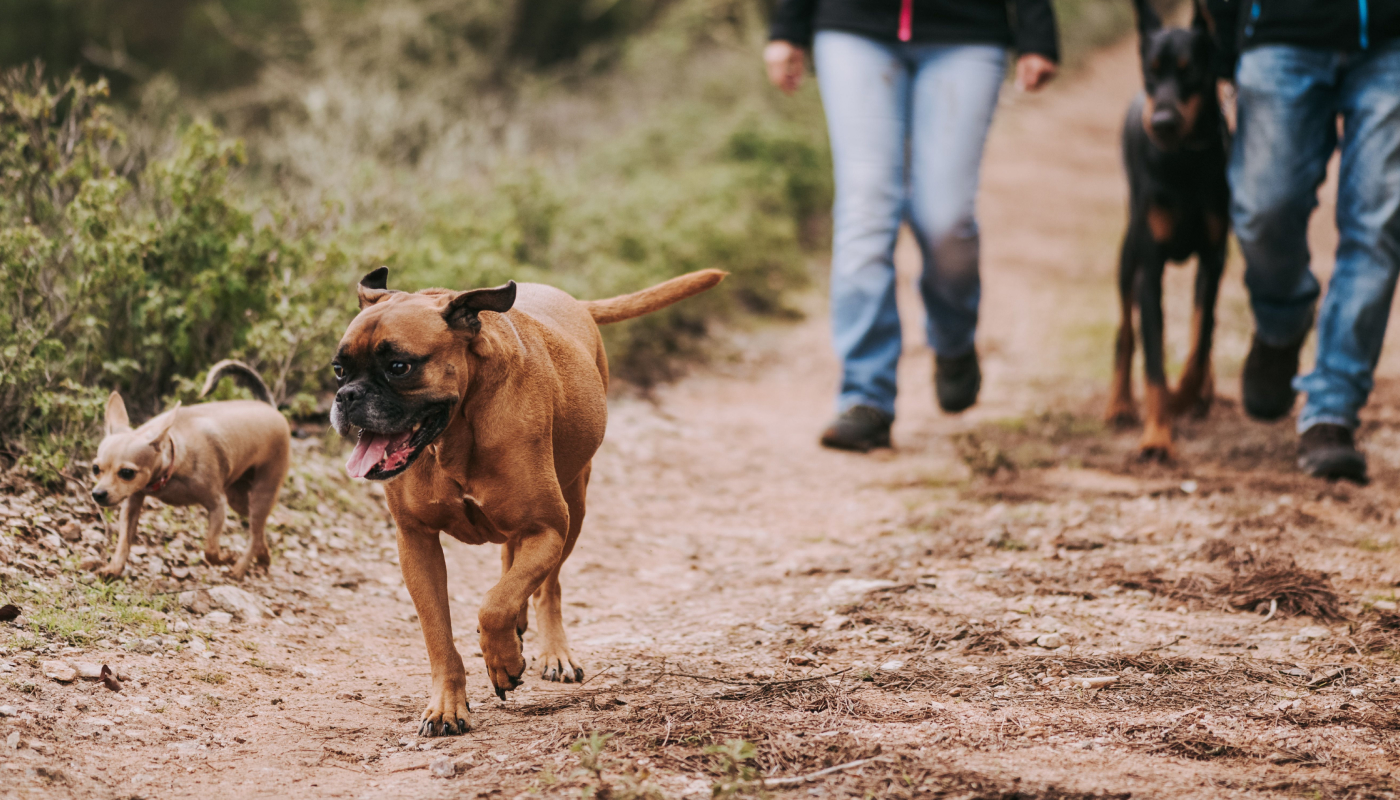
We call it the Total Walk because it brings the important pieces together.
It’s not just a decompression walk.
It’s not just a training walk.
It’s not just exercise.
It’s the point where those things meet in one daily routine. And that’s what makes it so useful.
It's Simple Enough For Any Dog Owner To Do
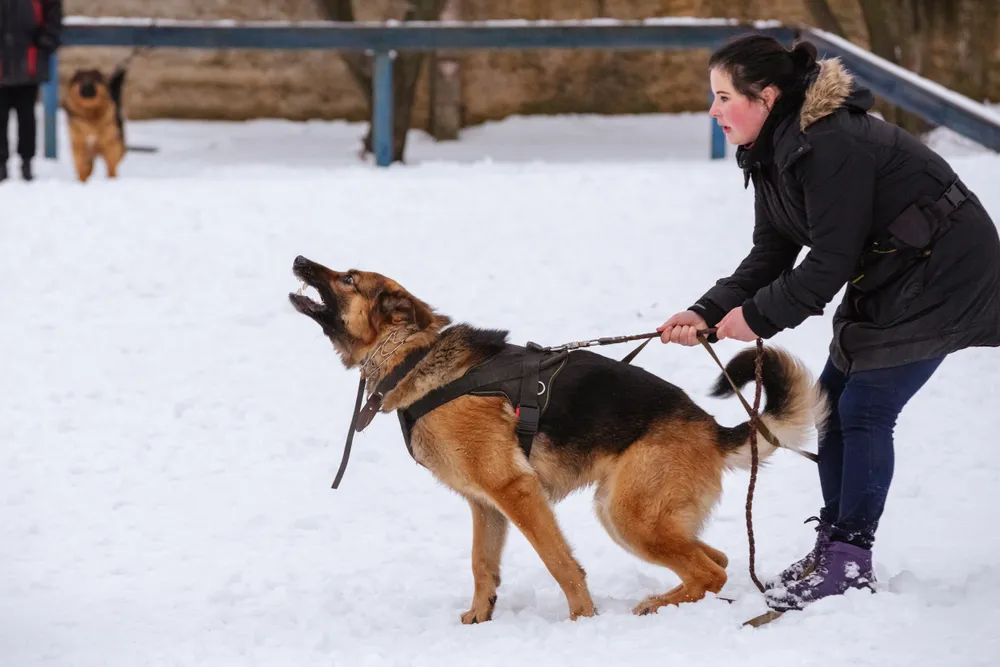
Most reactive dog owners do not need a more complicated life.
They already have enough stress.
They’re managing the windows, the yard, the doorbell, the vet, the groomer, the neighbors, the family visits, the early-morning walks, the late-night walks, and the constant mental load of owning a dog who might blow up at any moment.
So when a trainer hands them a giant list of drills, three daily sessions, a clicker, a treat pouch, a detailed training plan, and a bunch of rules to memorize, most people can keep it up for a few days.
Maybe a week.
Then life happens.
They miss a day.
Then another.
Then they feel behind.
Then the whole thing slowly disappears.
The Total Walk works because it fits into normal life.
One outing.
One routine.
One thing to make part of your day.
That matters more than people think.
Because the best training plan in the world is useless if no one can stick with it.
It’s Enjoyable For You Too… Which Means You’ll Keep Doing It
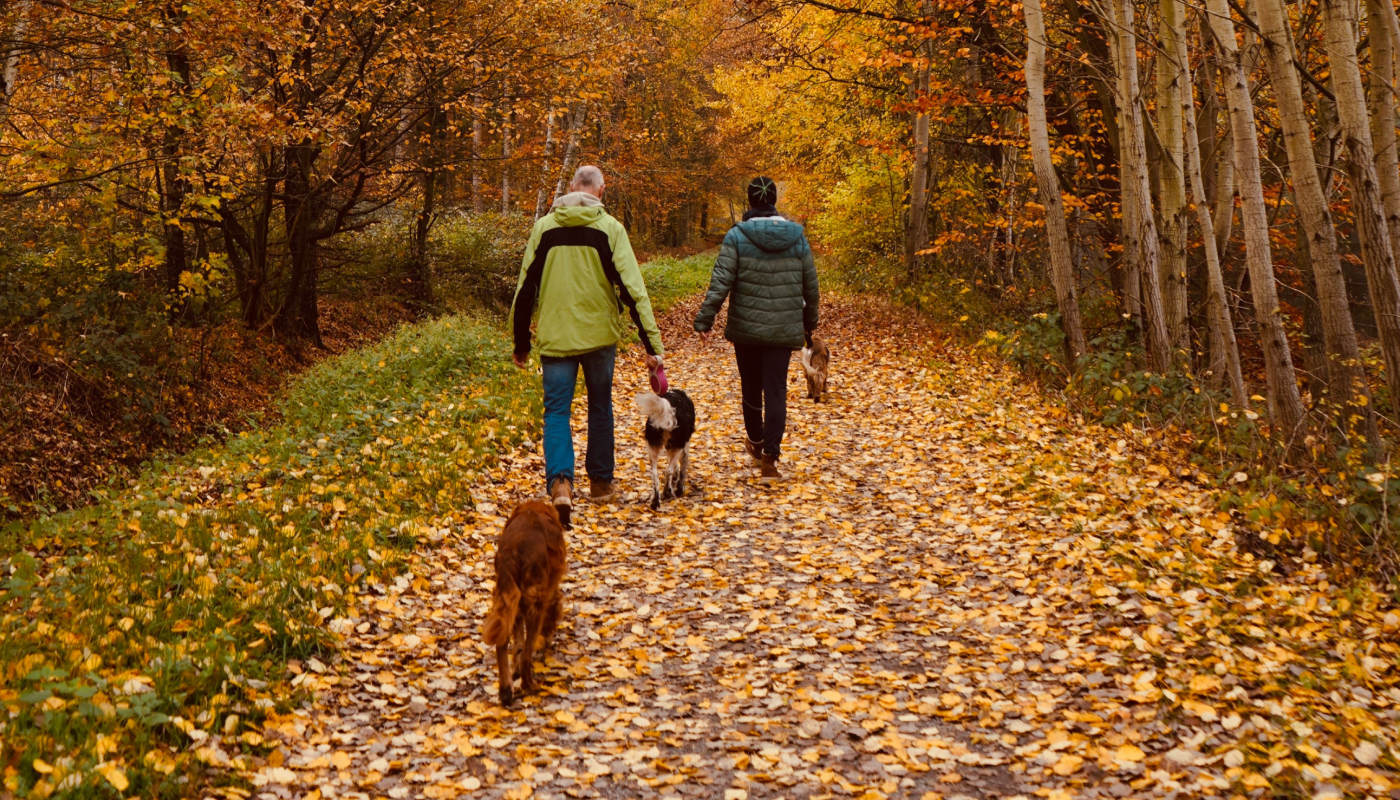
This part is underrated.
If every walk feels miserable, you will avoid it.
Maybe not consciously. But you’ll push it later. You’ll shorten it. You’ll skip it. You’ll tell yourself tomorrow will be better.
And your dog loses the thing they needed most.
The Total Walk should feel good for both of you.
Your dog gets to sniff, explore, move, play, and be a dog.
You get to stop white-knuckling the leash for a little while.
You get to breathe.
You get to enjoy being outside with your dog again, maybe for the first time in a long time.
That is not a small thing.
For many reactive dog owners, the idea of enjoying a walk again feels almost impossible.
But it can come back immediately, all you need is a long leash and maybe a short drive.
It Gives Your Dog A Productive & Fulfilling Outlet
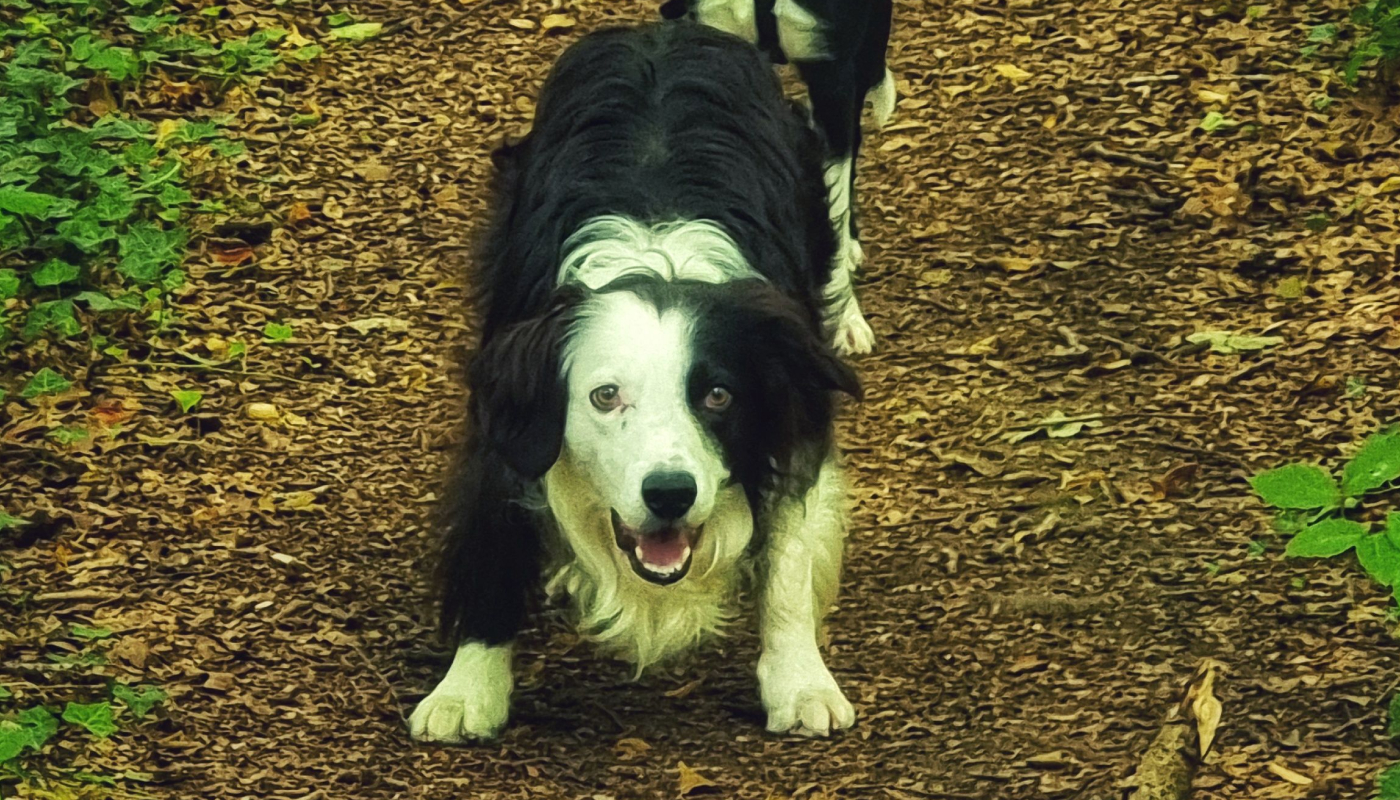
So many dogs’ reactivity stems from a lack of fulfillment.
They’re bored. They’re frustrated. They’re living a life that does not give them enough healthy outlets for their body, brain, instincts, and energy.
So when something exciting finally appears, like another dog, a stranger, a bike, or a squirrel, they explode.
Not always because they’re aggressive.
Not always because they’re terrified.
Sometimes it is simply because exploding at that trigger is the most stimulating thing that has happened to them all day, so it feels good.
The Total Walk gives that energy somewhere better to go.
It lets your dog engage with the world in a way that is productive instead of destructive. They get to use their nose. They get to move. They get to explore. They get novelty. They get freedom. They get a routine that actually fills their cup.
And when a dog’s need for fulfillment is met, everything else tends to get easier.
Not magically easy.
Not instantly fixed (though it is sometimes!)
But easier.
It Efficiently Builds The Training Foundation
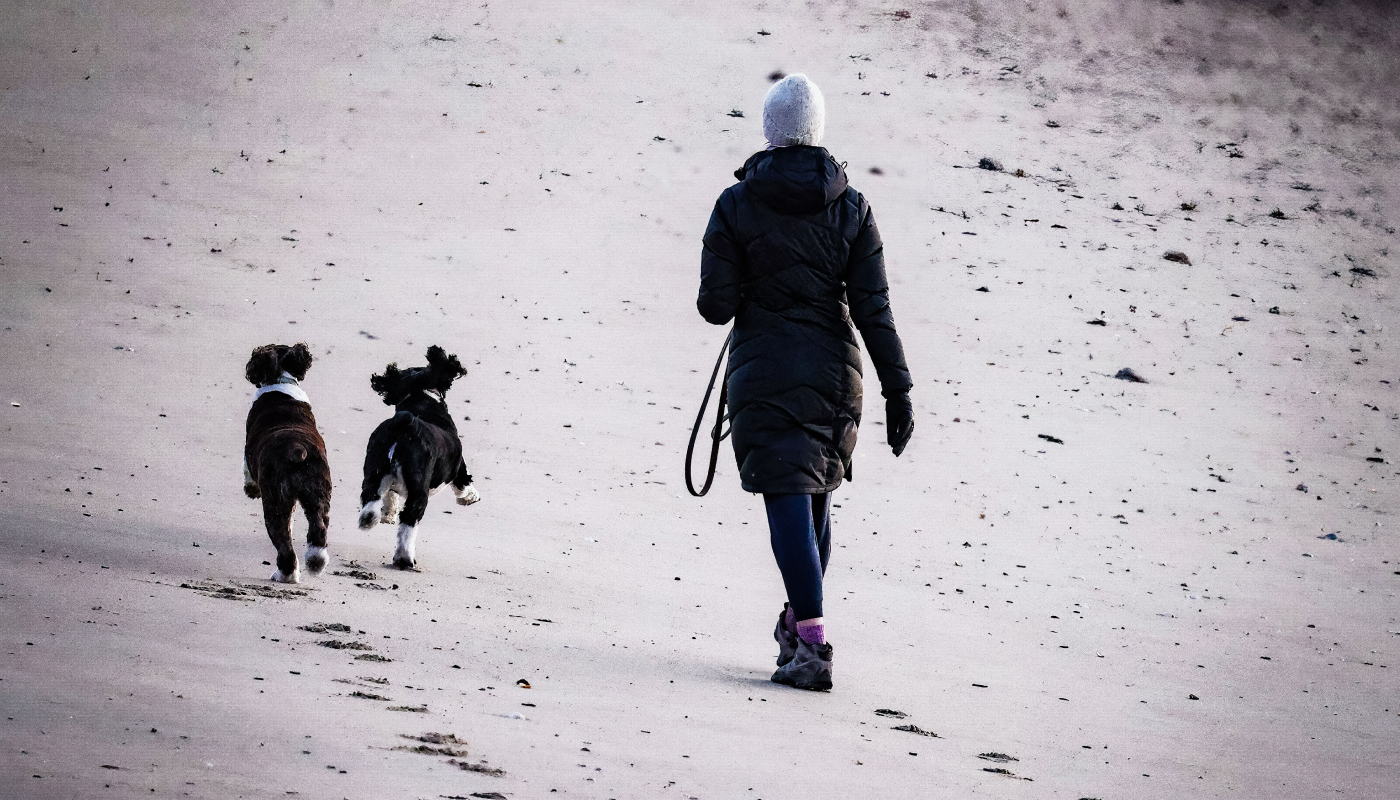
Again, that foundation includes fulfillment, cooperation, authority, impulse control, and two-way confidence.
We don’t need to break all of that down here, but the basic idea is simple:
Your dog needs to be fulfilled enough to stop living in a constant state of pressure.
They need to cooperate with you because they see you as the path to good things, not the person blocking them from everything they want.
They need to respect your authority when cooperation is not enough.
They need enough impulse control to create a gap between feeling something and acting on it.
And both of you need confidence:
Your dog needs confidence in themselves and in you.
You need confidence in yourself and in your dog.
The Total Walk gives you a natural place to build all of that because it is not stiff, sterile training. It happens in real life, through the walk, through small moments of structure mixed into freedom, through little challenges, and through repetition.
Day after day, the relationship starts to change.
The dog starts to realize that working with you leads to the good stuff. You start to feel more capable handling your dog in the real world. The leash starts to feel less tense. The walk starts to feel less like a battle.
That is the kind of foundation that leads to real, long-lasting behavior change.
What Changes When A Dog Starts Doing Total Walks?
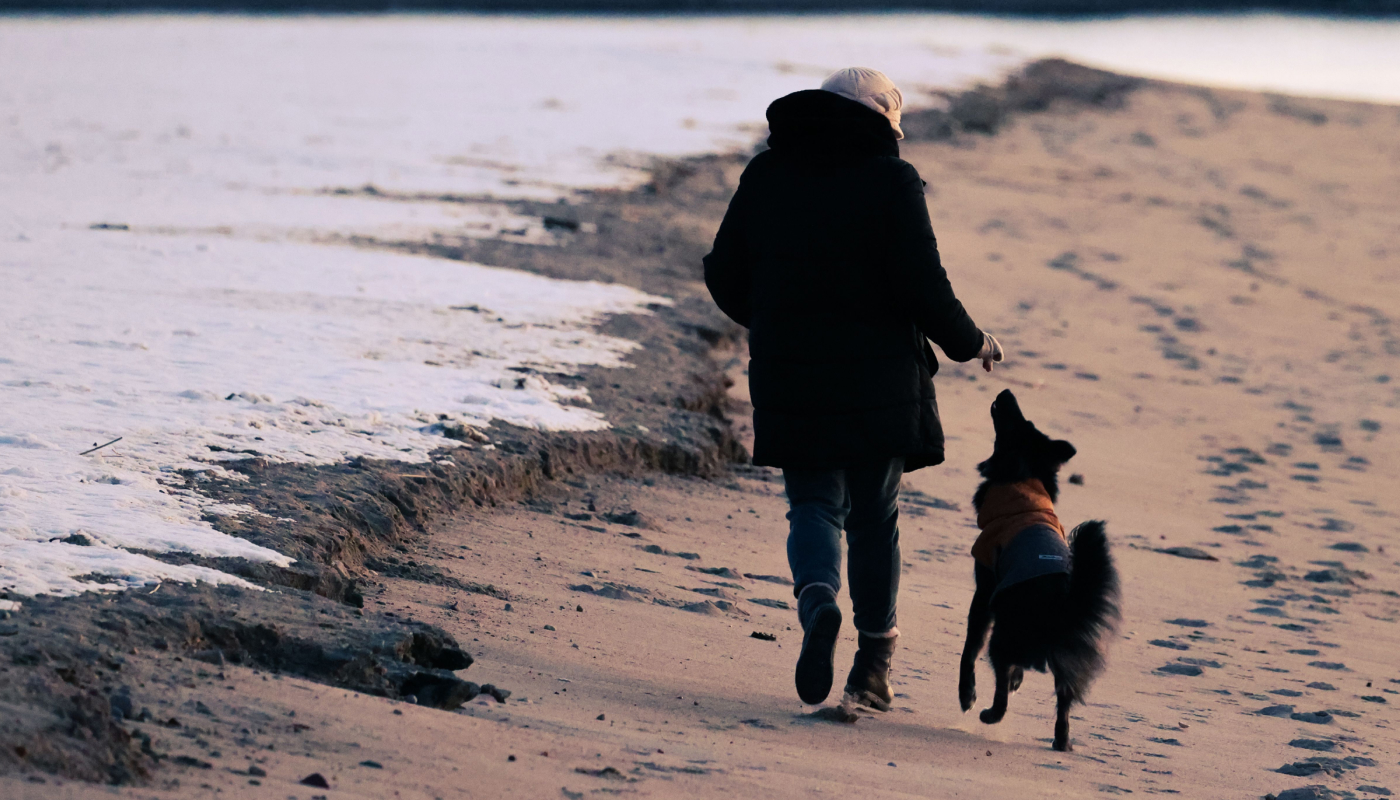
Imagine a dog whose whole world has been short-leash neighborhood walks.
Every outing feels the same. There’s tension, pulling, scanning, triggers, redirection, and so so many treats.
Or imagine the dog whose walks are even more controlled than that. Heel command the whole time. No sniffing, no exploring, no choices, just marching next to the owner while all of their instincts stay bottled up.
Then one day, the experience changes.
They get in the car and go somewhere open. They have room to move. They can sniff, explore, feel the ground, catch scents, move ahead, circle back, and actually engage with the environment.
Nobody is dragging them past every smell. Nobody is locking them into position for the entire outing. Nobody is making the walk feel like one long argument.
At first, some dogs don’t know what to do with it. They have been so used to tension that freedom feels strange. But given a little time, many dogs start to open up. They sniff more deeply, move more naturally, check in more often, and come home more settled.
Not perfect. Not fixed in one walk. But different.
And the owner starts to change too.
They stop feeling like the walk is a tactical mission. They see their dog make better choices. They feel the leash soften. And little by little, they start to believe that the sweet, relaxed dog they know at home can start showing up outside too.
The Total Walk Is Sustainable
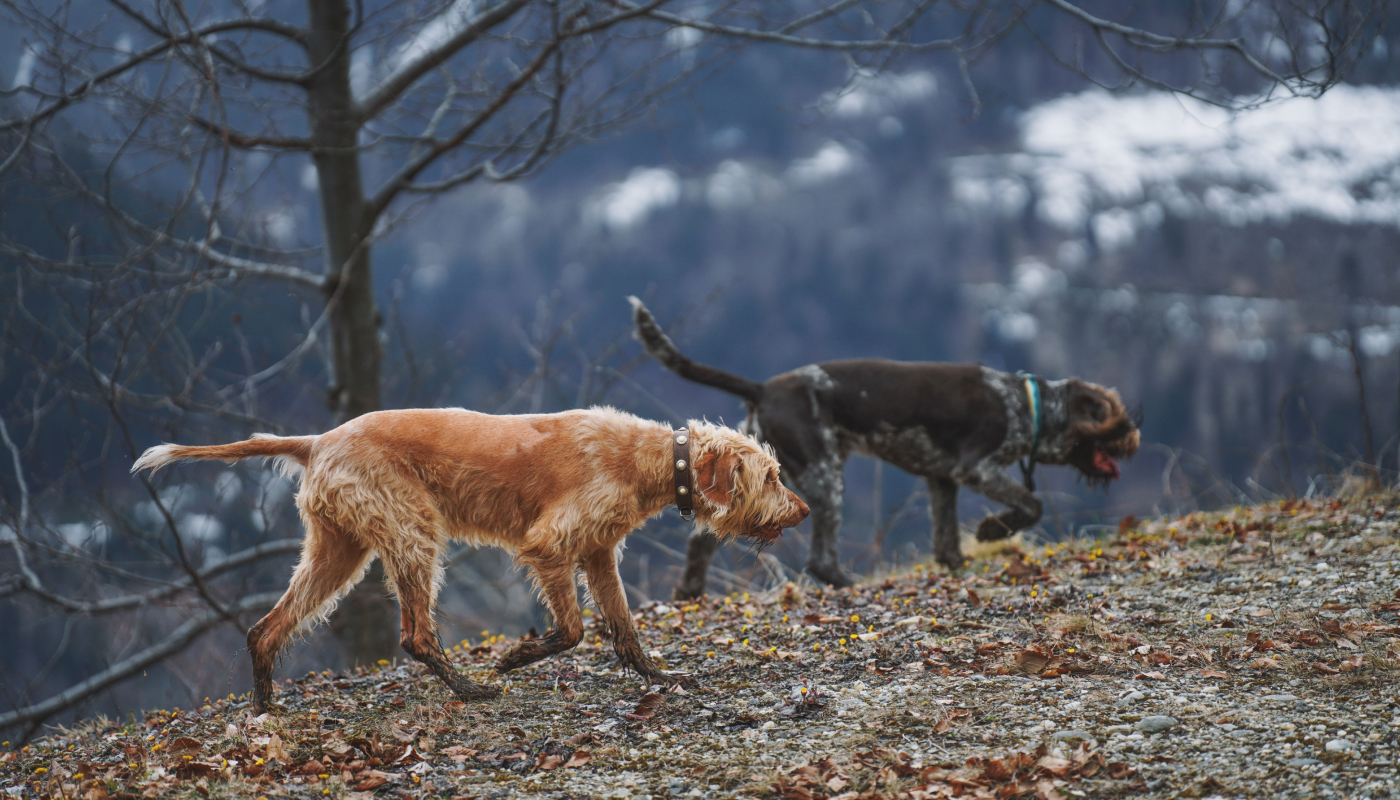
One of the best things about the Total Walk is that it does not have to be a temporary training project.
It can become part of your life.
And honestly, it should.
Your dog needs this kind of outlet, not just when they are reactive and not just while you are working through a course. Dogs need to move, sniff, explore, get out into the world, and use their brain and body for their whole lives.
And we need it too.
We need fresh air, movement, time away from screens, and routines that make us healthier instead of more stressed.
The Total Walk can be good for both of you.
It should be something your dog looks forward to, and it should be something you enjoy too. Maybe not quite as much as they do, because few things can match a dog in an open field with a thousand smells. But close.
It should feel like time well spent.
Not another chore or an obligation. But something you look forward to.
The Virtuous Cycle
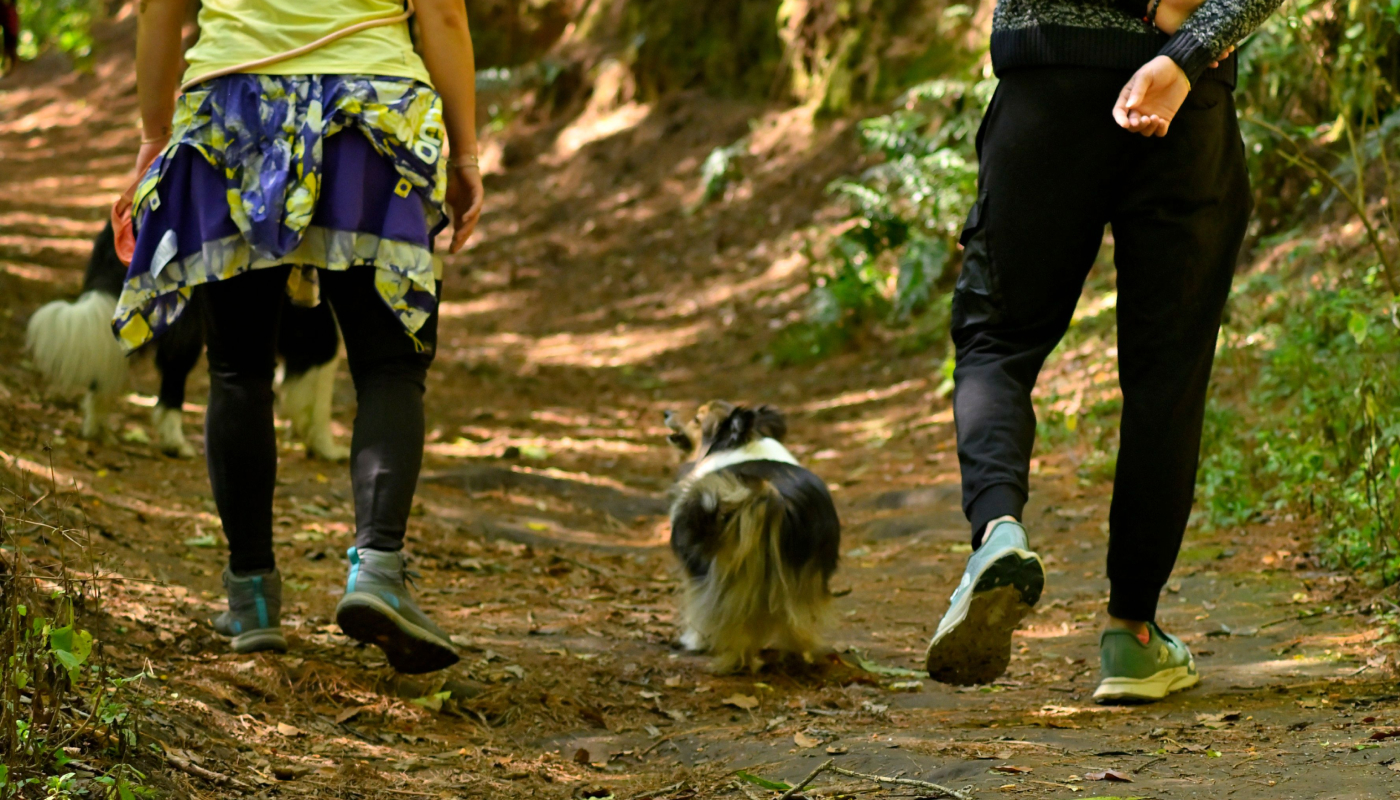
The Total Walk is simple, but simple does not mean small.
A better walk changes the daily rhythm between you and your dog. Your dog gets more of what they need, and you get more confidence handling them. The leash starts to feel different. The relationship starts to feel different.
Training stops feeling like this separate, complicated thing you have to squeeze into your life.
It becomes part of the life you are already building with your dog.
That is what makes the Total Walk so powerful. It gives your dog freedom without letting the walk turn into chaos. It gives you structure without forcing you to micromanage every second. It gives your dog fulfillment without making your life more complicated.
And when you do that consistently, you start building something real.
A calmer owner.
A more fulfilled dog.
A stronger relationship.
A better foundation.
And eventually, with a little bit added on… resolved reactivity.
If Your Dog Is Reactive...
A lot of owners bite off more than they can chew when they first start with Total Walks. They grab a long line, drive to a field, add freedom, add training, add distractions, expect everything to click right away, and then get overwhelmed.
That is why inside Resolving Reactivity, we build up to the Total Walk in small pieces.
We start with what we call A Taste of Freedom, where your dog simply gets space to decompress and be a dog.
Then, step by step, we layer in cooperation, authority, impulse control, fulfillment, and confidence until the full Total Walk is in place.
So if your dog is reactive and you want the full process laid out clearly, that is exactly what we teach inside Resolving Reactivity.