
Why Do We Walk Our Dogs?
Walks have become synonymous with dog ownership. But why? And are the walks we give our dogs fulfilling the purpose of walking them in the first place?
Updated: July 10, 2026
Written by: Jon Somers
Reviewed by: Matt Cochran, Certified Professional Dog Trainer
What is a “walk” anyway?
Being a good, responsible dog owner means walking your dog… This is an idea almost every dog owner accepts without ever questioning it.
And we all seem to have the same picture in our heads of what that means. You clip a six-foot leash to their collar, walk out the front door, and do a lap around the neighborhood.
But why? What is that walk supposed to do for your dog? What’s the point?
The usual answers are pretty simple. It gets them out of the house. It gives them some
exercise. It lets them use the bathroom.
And yes, it can do all of those things.
But for a lot of dogs, that standard neighborhood walk does not give them nearly enough of what they actually need.
In fact, it often becomes one of the most frustrating and stressful parts of their day.
How The Walk Became Poisoned
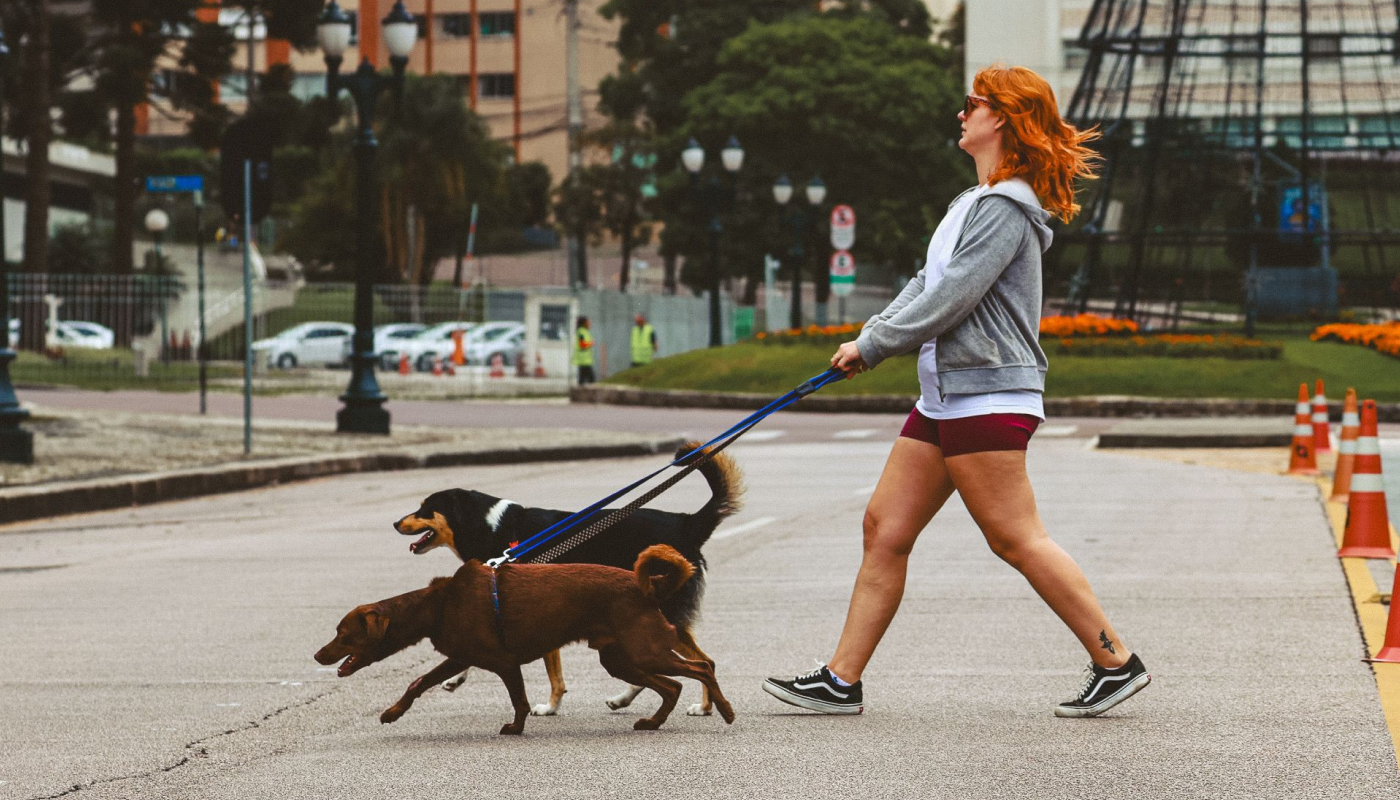
Look at what happens on these walks every day.
Dogs pull on the leash, sometimes non-stop, sometimes very hard…
They pee on your neighbor’s bushes and flowers, while you yank them away…
They bark and lunge at other dogs, people, squirrels, bikes, or anything else that catches their attention…
The walk soon becomes purely an exercise in frustration for both of you.
Then, because so many owners are struggling, trainers appear with ways to make the walk more manageable.
Redirect your dog with treats…
Keep them in a heel…
Make them look at you when another dog approaches…
Ask them to “check in” with you every 30 seconds…
These things may give you more control over your dog in the moment. It can make the walk less frustrating and stressful for you.
But by then… it’s just become a training session.
Which begs the question:
…Why are we taking this walk in the first place?
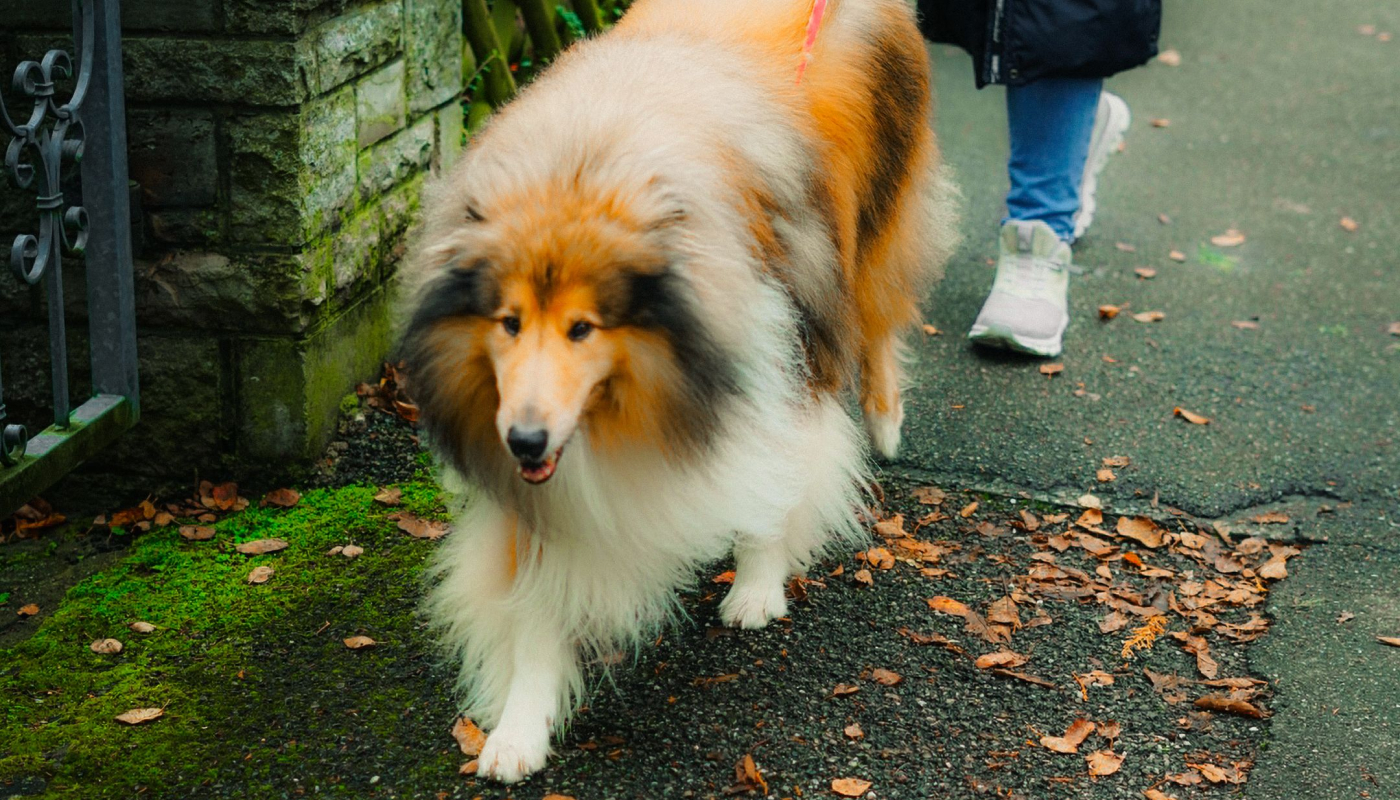
Somewhere along the way, the walk stopped being something we did for our dogs and became another place where we constantly manage their every little urge and desire.
Don’t pull.
Don’t sniff that.
Don’t walk on their grass.
Don’t pee on those flowers.
Don’t stop here.
Don’t go over there.
Pay attention to me.
Keep moving.
For the entire walk, the dog is trying to explore the world while the person holding the leash keeps shutting them down.
I’d want to bark and lunge off some of that frustration too!
Getting Out of the House Is Only the Start
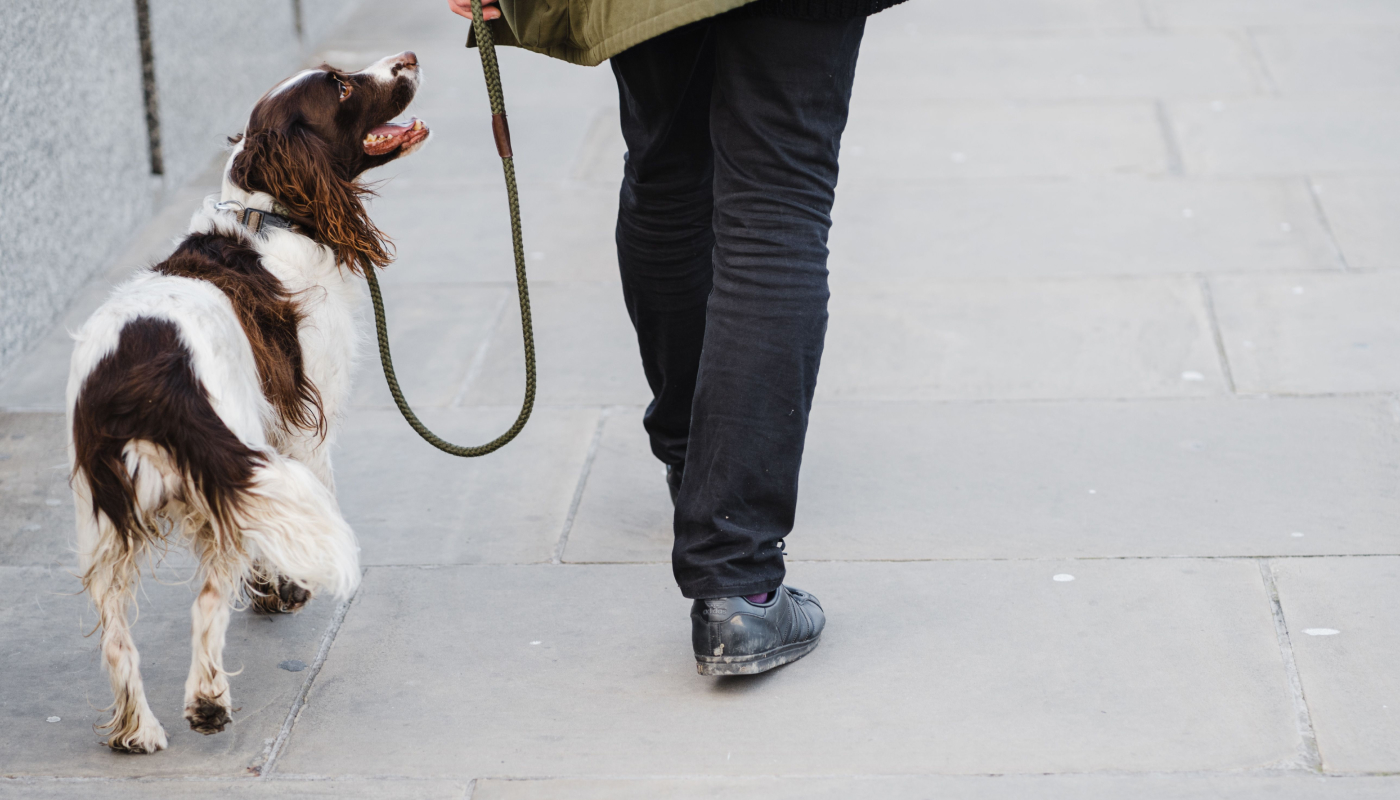
Yes, a good walk gets your dog out of the house. It should give them exercise.
But those are only the most basic benefits.
The core function of a walk, the entire reason to do it in the first place… goes much farther than that.
It should be to help meet your dog’s need for fulfillment. To give them a chance to be a dog.
That means movement, but not just marching forward at our pace.
It means sniffing, but not just sniffing our pre-approved smells (which they don’t know).
Exploring, chasing, running back and forth…
It means experiencing new sights, smells, sounds, surfaces, and environments with enough freedom to actually engage with them, the way they actually want to.
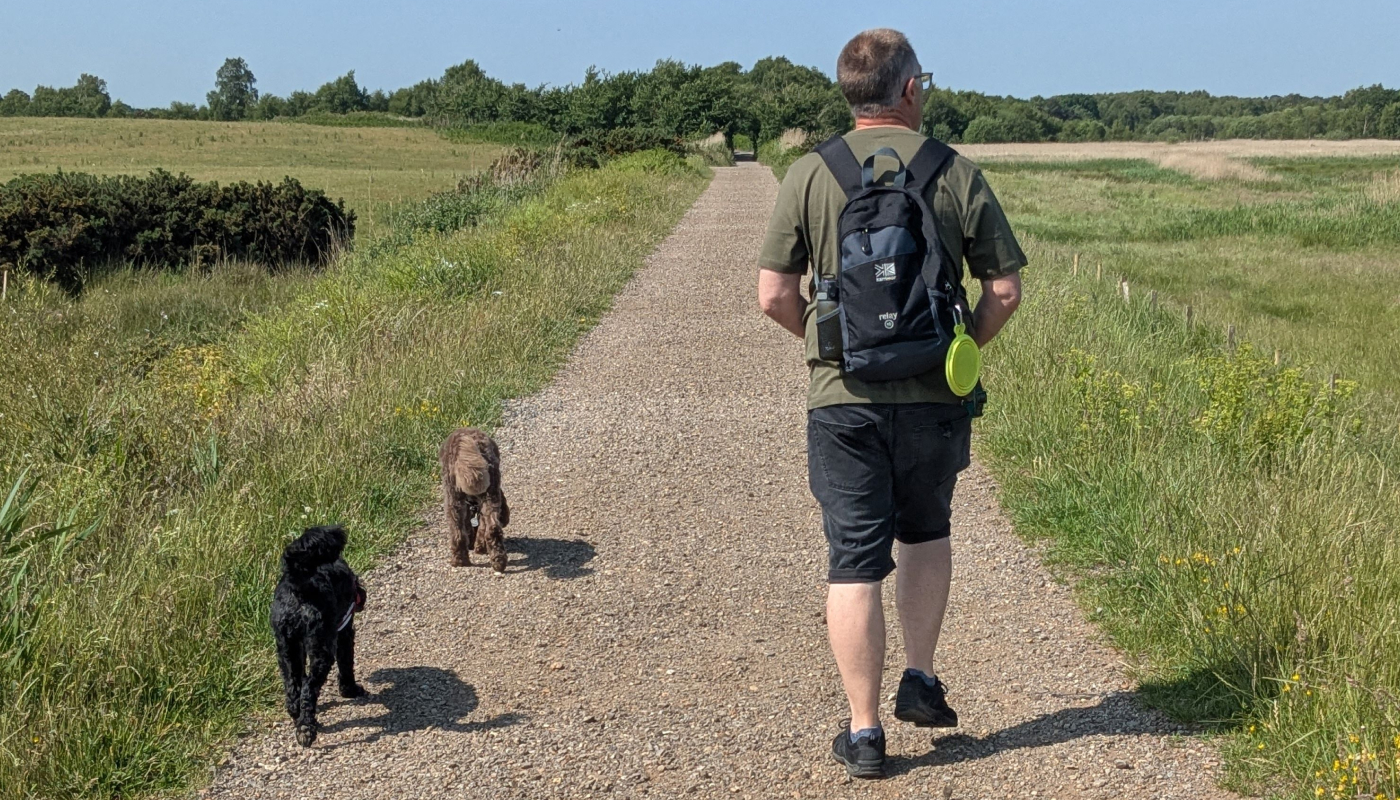
Novel experiences plus the freedom to move and explore creates fulfillment.
That is what so many dogs are missing.
They may walk for 30 or 45 minutes every day, but they rarely get to make a choice during any of it. Their body moved, but their true biological needs as an animal were barely touched.
The Old Walk Is Often Not Enough
Now compare that to the average neighborhood walk.
There is very little novelty.
There is also very little freedom.
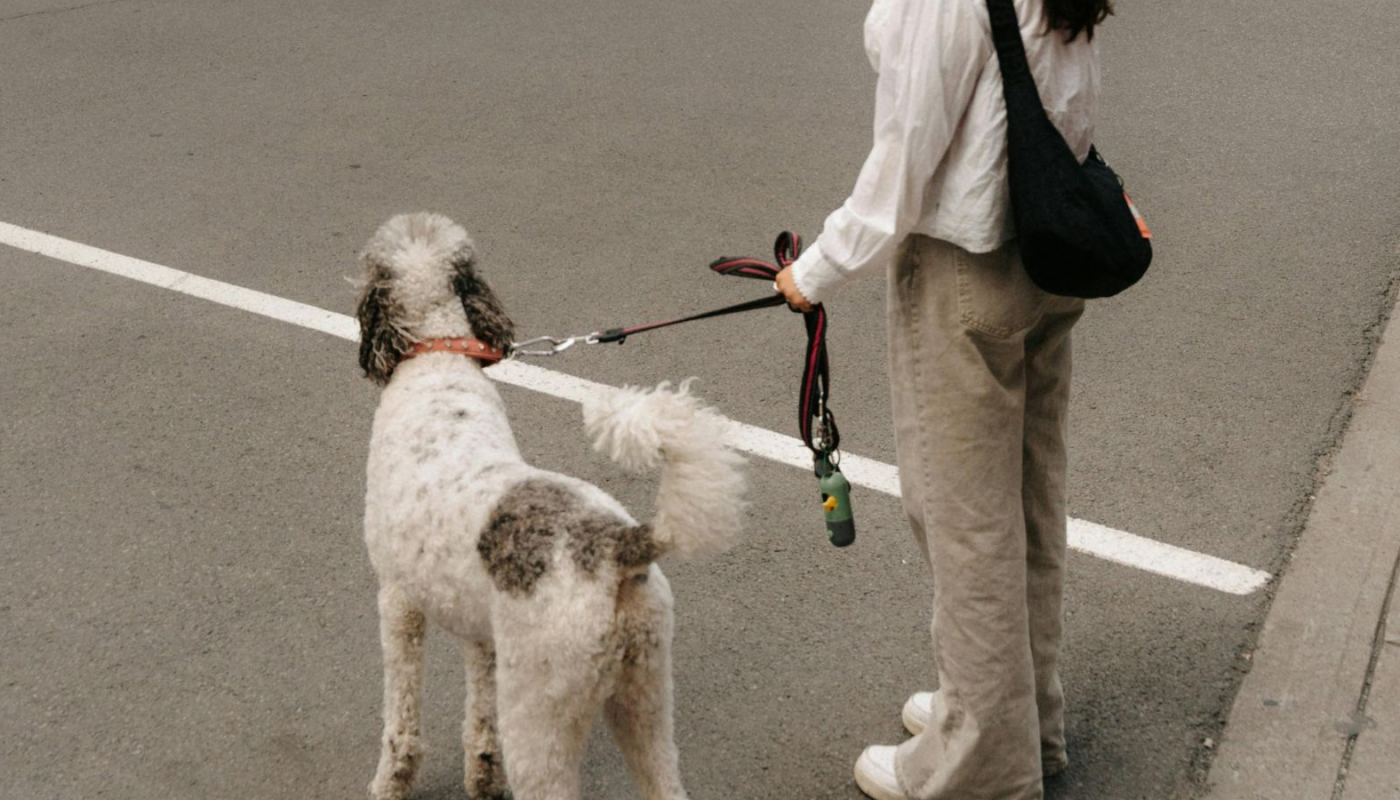
The dog is restricted to a few feet of leash and expected to stay within a narrow lane beside their owner. If they move too quickly, stop too long, or follow their nose in the wrong direction, the leash tightens and pulls them back.
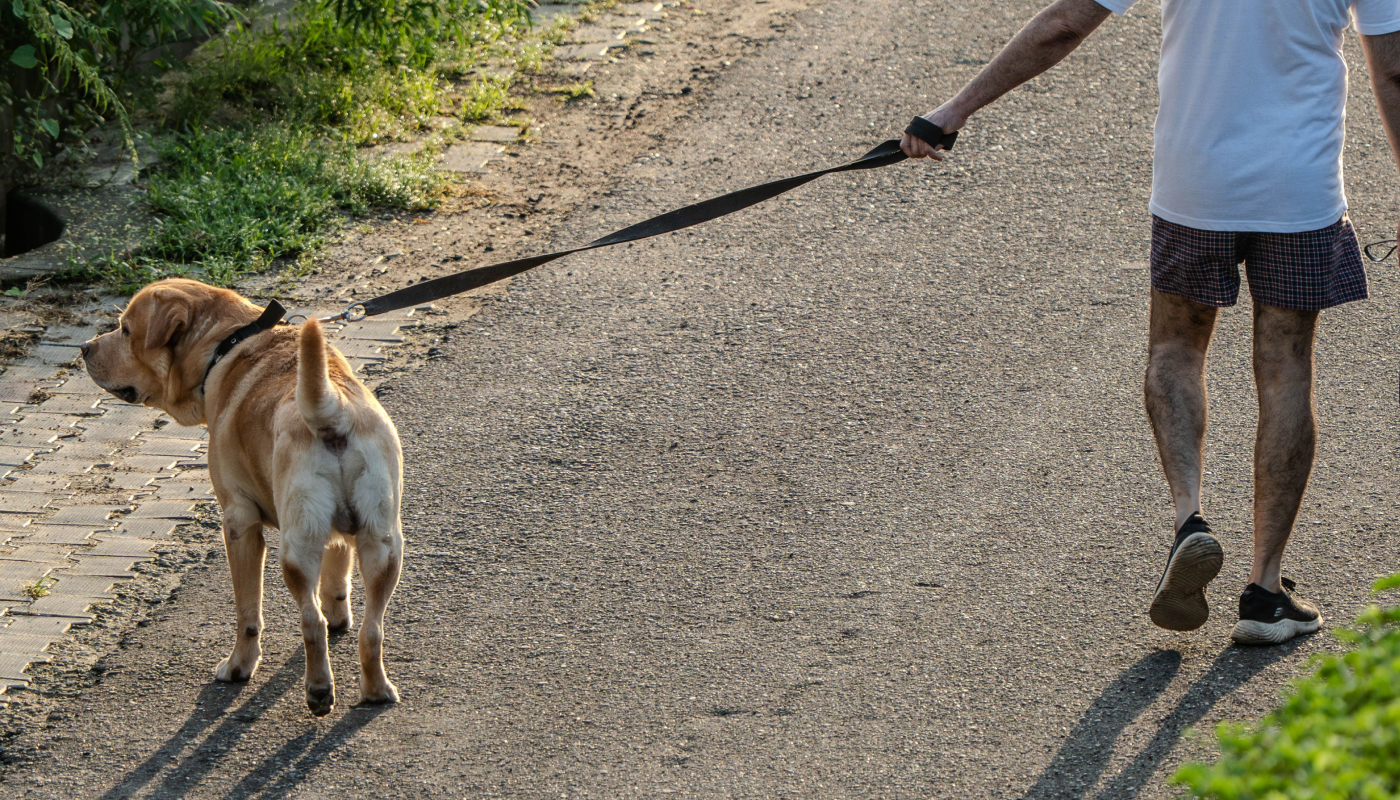
For some lower-energy dogs, this may be enough.
For most others, especially young, active, curious, driven or reactive dogs… it’s not even close.
It ends up doing more harm than good. Instead of fulfilling them, it frustrates them.
They can smell things they cannot reach. They see things they cannot investigate. They want to move, chase, sniff, and explore, but the leash blocks them at every turn.
Then a dog appears at the end of the block.
And all that frustration finally has somewhere to go.
The dog barks, pulls, lunges, and loses control. The owner tightens the leash, gets embarrassed, and tries to drag them past.
The next day, they do it all over again. Because at least it was stimulating. It may have even been fun.
This is what we call the old poisoned walk.
It is not poisoned because the owner is doing something wrong on purpose. Most owners are doing exactly what they were told responsible dog ownership looks like.
But for many dogs, that walk becomes a daily loop of restriction, conflict, frustration, and reactive behavior.
Giving Your Dog “A Taste of Freedom”
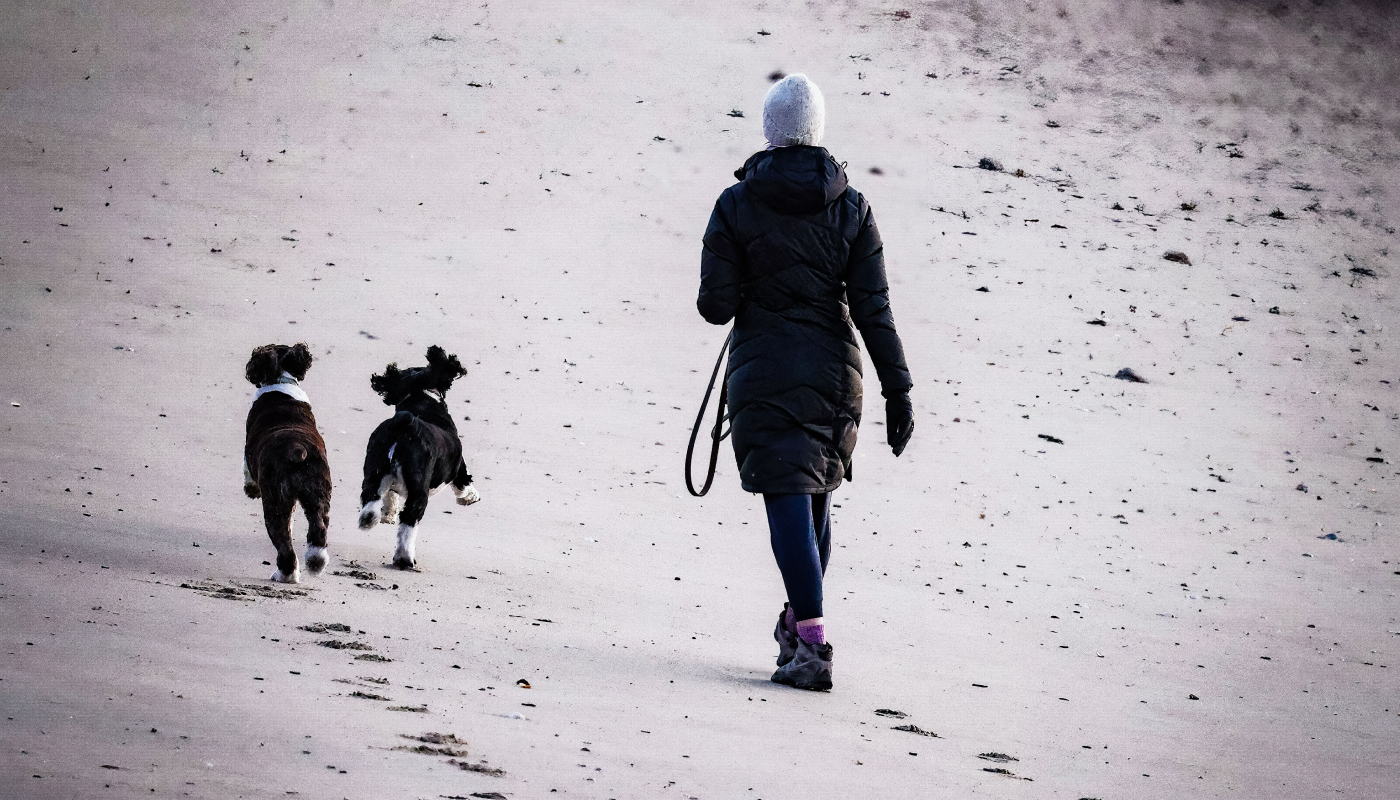
Fixing this problem is the first thing we do inside Resolving Reactivity.
We call it A Taste of Freedom.
Instead of walking straight out the front door and repeating the same neighborhood loop, you take your dog somewhere with more room and fewer triggers.
A quiet park.
An open field.
A school campus after hours.
A cemetery.
A Sniffspot.
A patch of woods or empty green space you noticed while driving around.
Then you switch the six-foot leash for a longline or retractable leash and let your dog explore.
They can walk ahead.
They can lag behind.
They can sniff something for as long as they want.
They can wander from one side of the space to the other without being yanked back every few seconds.
You are still there, and you still have control. But instead of controlling every movement your dog makes, you give them room to experience the world.
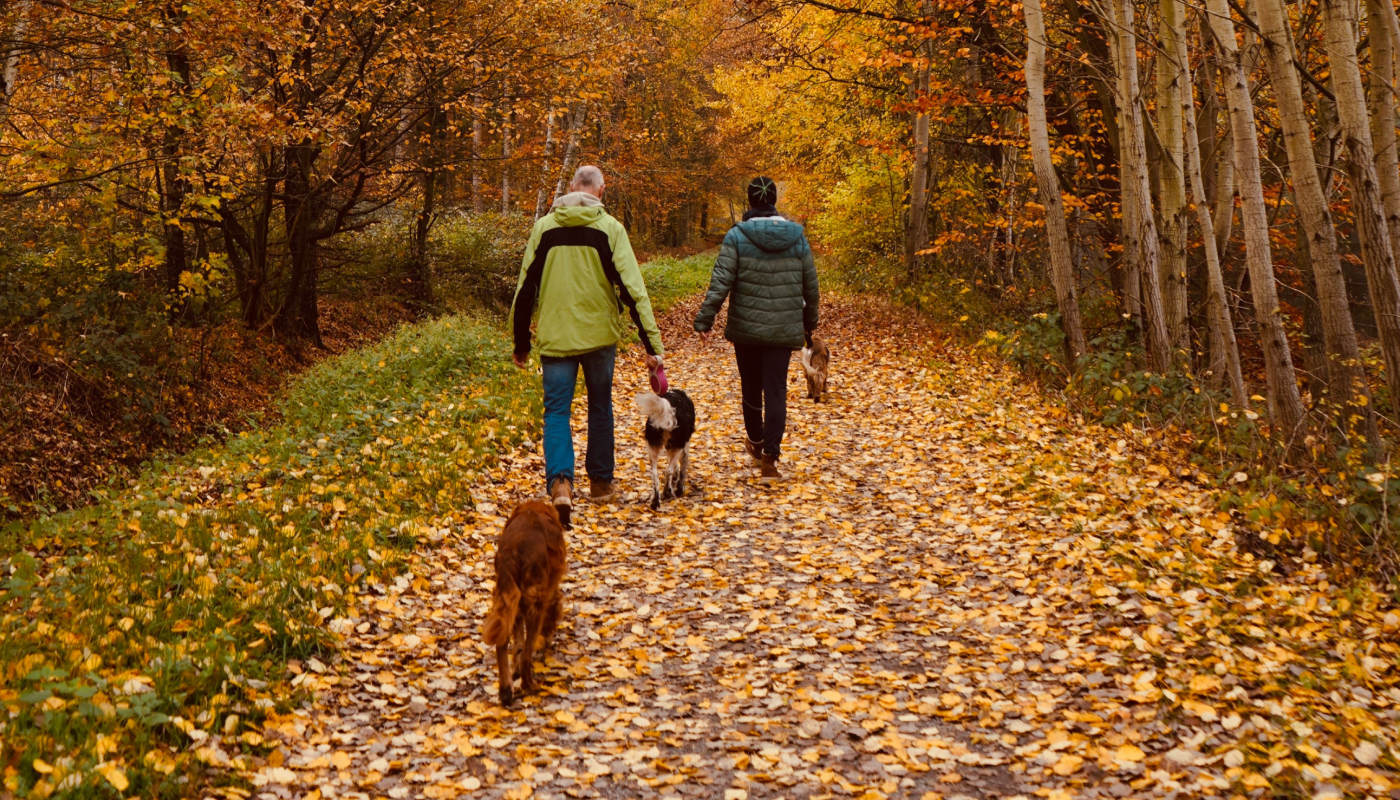
Leave the treat pouch at home, don’t bother putting them in a heel, and don’t worry about whether or not they “check in.”
At first, there does not need to be any training at all.
You are simply giving your dog a chance to use their nose, body, and brain while enjoying time outside with you.
For many dogs, this is the first time a walk has actually given them what they truly needed.
The First Part of a Total Walk
A Taste of Freedom is the first and most important part of what we call a Total Walk.
You can read more about the Total Walk here →
A Total Walk eventually includes more than freedom and exploration. It can include obedience training, play, and whatever else your individual dog finds most fulfilling.
But freedom comes first.
Before asking your dog to listen better, behave better, or control themselves around distractions, make sure their basic needs are being met and that they actually enjoy being out in the world with you.
This one change can completely shift the relationship on both ends of the leash.
Your dog no longer sees you as the person constantly preventing them from reaching everything they want. You become the person who brings them to the best part of their day.
And you no longer have to spend every walk arguing with your dog, apologizing to strangers, or bracing for the next explosion.
You can both breathe a little.
The Response Speaks for Itself
Inside Resolving Reactivity, the comments underneath the A Taste of Freedom module dwarf the comments under almost every other lesson.
That is not because it is the most complicated lesson.
It may be the simplest.
It gets such a strong response because owners feel the difference almost immediately.
They watch their dog have the absolute time of their life. (and they do too!)
The constant tension and struggle disappears.
And for some dogs, the reactive behavior begins decreasing just from this alone.
Below are some screenshots of the comments left under the “A Taste of Freedom” module:
Try a Different Kind of Walk
If your dog is struggling with pulling, barking, lunging, frustration, or reactivity, I strongly recommend overhauling your walk.
You do not have to abandon neighborhood walks forever.
You do not need the perfect field or a huge piece of land.
And you do not need to build the full Total Walk on day one.
Start with A Taste of Freedom.
Find somewhere with some space. Use a 25 foot longline or retractable leash. Let your dog sniff, wander, and explore without being controlled every second.
Give them a walk that meets their needs.
For many owners and dogs, this seemingly small change is life-changing.
Because once you stop treating the walk as an obligation to check off your list, and start using it to give your dog real freedom and fulfillment, the entire experience changes…
For them, and for you.