
How the single most common tool we use with our dogs has caused an epidemic of behavioral problems.
The most basic, widely-accepted tool in dog ownership is the 6-foot leash… Almost every dog owner uses one, exclusively. It’s become a serious problem.
Updated: July 13, 2026
Written by: Jon Somers
Reviewed by: Matt Cochran, Certified Professional Dog Trainer
Everybody uses a 6-foot leash.
Just about everybody, anyway.
It’s the tool no one questions.
Whether you adopt an 8-week old Goldendoodle, a 4 year old Pit Bull, or a 12 year old Chihuahua… the leash you’re handed them on is going to be a typical 6-foot leash.
It has become the default leash that almost everybody uses.
That is simply what a dog leash is.
We question collars, harnesses, food, training methods, and almost everything else. But almost no one asks why every dog, from a 20-pound terrier to a 200-pound mastiff, is expected to experience the outside world from the same six-foot radius.
And in combination with what we think of as walking our dogs…
(read more on that here: The Old Walk Is Poison →)… The standard 6-foot leash has created an epidemic of severe behavioral problems. Most notably, of course… reactivity.
I know that’s a bold claim. But once you really dig into what this stereotypical “walk” does (and doesn’t) do for young, energetic, curious dogs... you start to understand.
We take an animal that is built to roam, sniff, explore, chase, investigate, and interact with the environment. Then we put them on six feet of leash and ask them to move at our speed (usually slower than they’d choose), in our direction (which they may have no interest in), along the exact route we chose (which they’ve been on 100 times before).
Day after day.
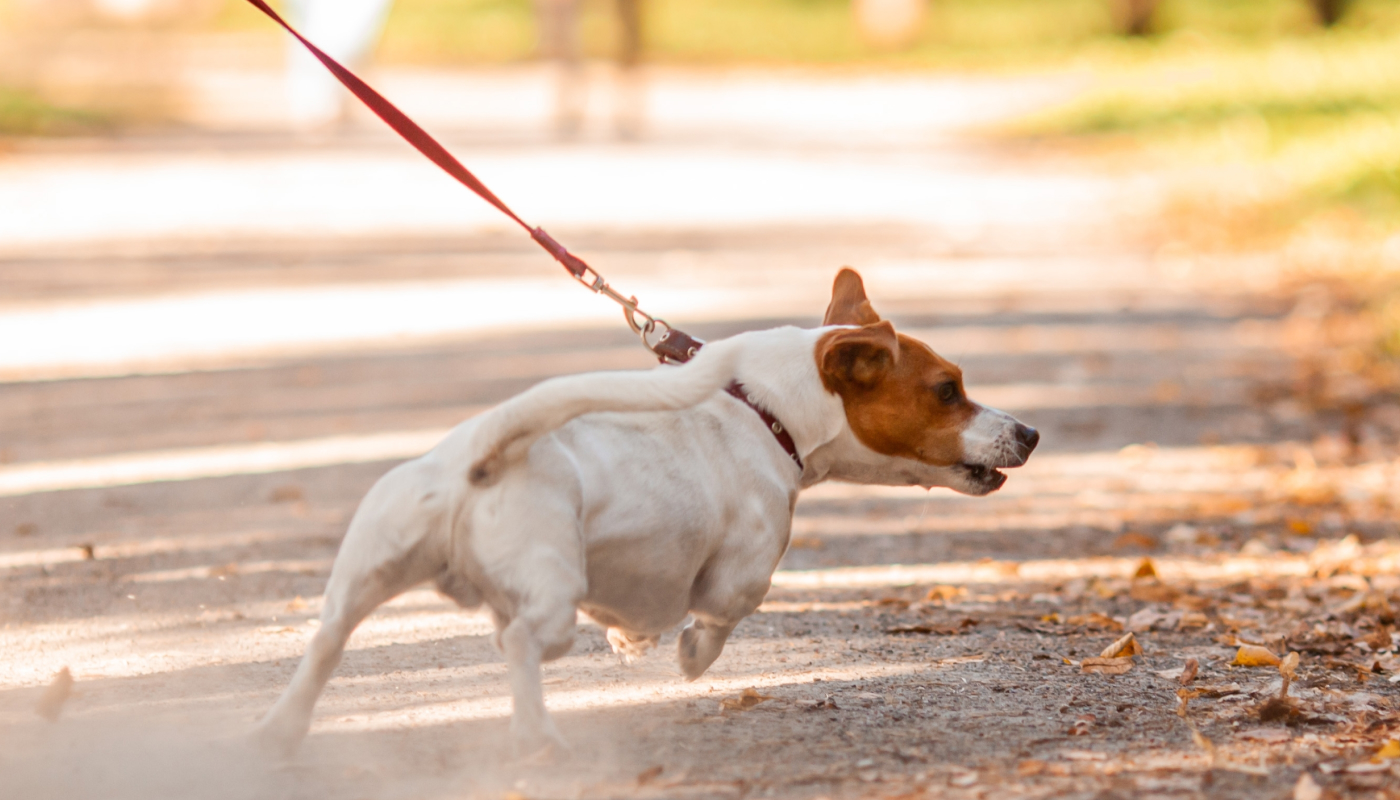
Whenever they try to stop, we pull them forward. Whenever they move too fast, we pull them back. If they want to investigate something off to the side, we steer them away from it. If they’re uncomfortable and want more space, the leash prevents that too.
Then another dog appears around the corner, and we’re surprised when all of that pressure comes roaring out at once.
Six Feet Is For Us… Not For Our Dogs
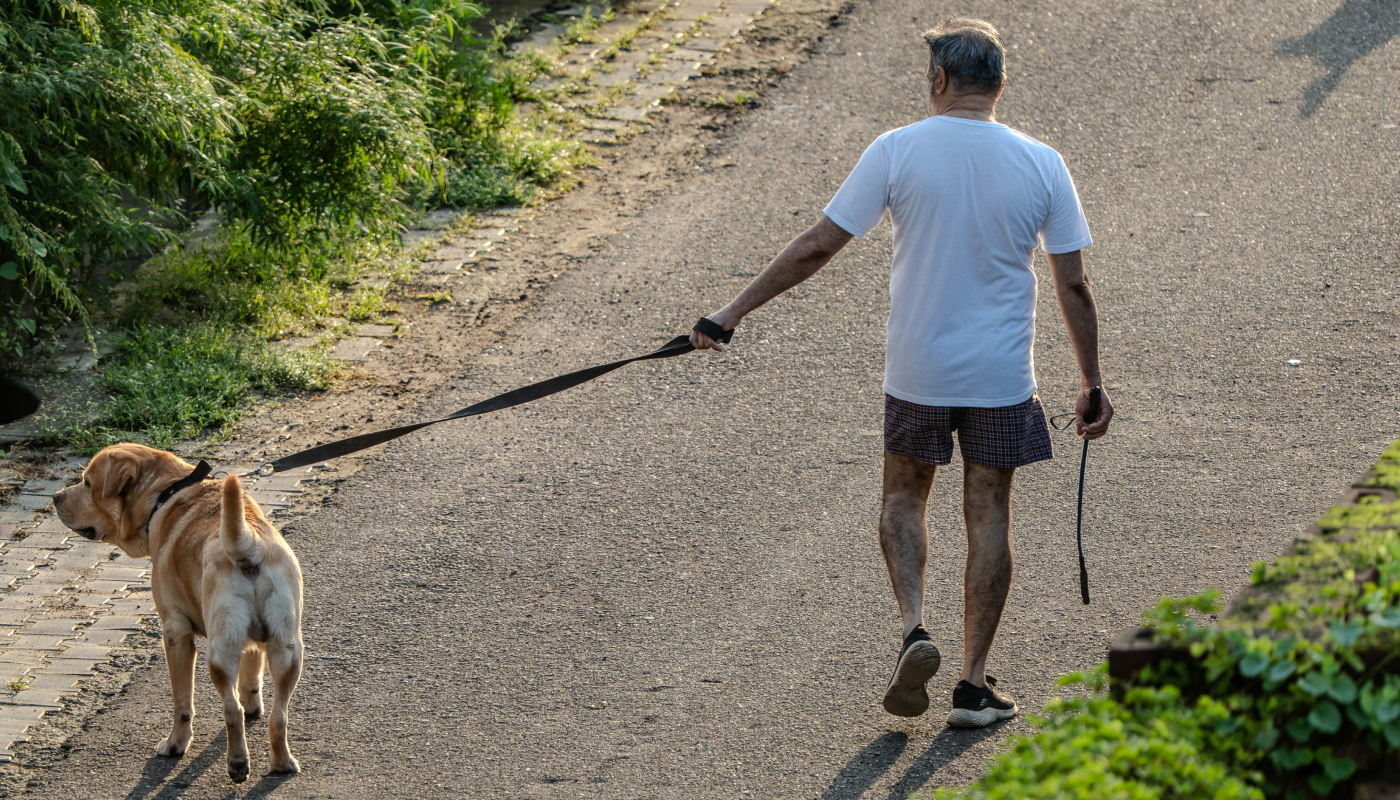
The six-foot leash is popular for an obvious reason: it keeps a dog close.
It fits neatly on a sidewalk, gives the owner immediate control, and forces our dogs to move at our (slower) human pace. (And we wonder why every dog has a pulling problem…)
For us, it is incredibly convenient.
Dogs do not naturally move through the world that way. They zigzag, stop, backtrack, follow scents, speed up, slow down, and investigate whatever catches their nose..
So the leash restricts them, every time they try and simply, be a dog:
- They drift toward a smell... pressure.
- They stop too long at a tree... pressure.
- They move ahead too quickly... pressure.
- They notice a squirrel, another dog, or a person across the street... even more pressure.
Do that dozens of times on every walk, day after day. That leash becomes a massive source of conflict during the most stimulating part of your dog’s day.
You may not say a word, you may be patient the entire time.
But the leash still spends most of the walk telling your dog:
“No. You can’t do that either.”
Some dogs tolerate this without much trouble.
Most do not.
They pull harder, scan farther ahead, get frantic about reaching every smell, or start treating the entire outing like a struggle where they have to fight to get every little whiff of fulfillment and stimulation they can get their paws on.
This is a recipe for frustration. For us and for them.
This Turns Your Relationship Into A Tug-Of-War (And Not The Good Kind)
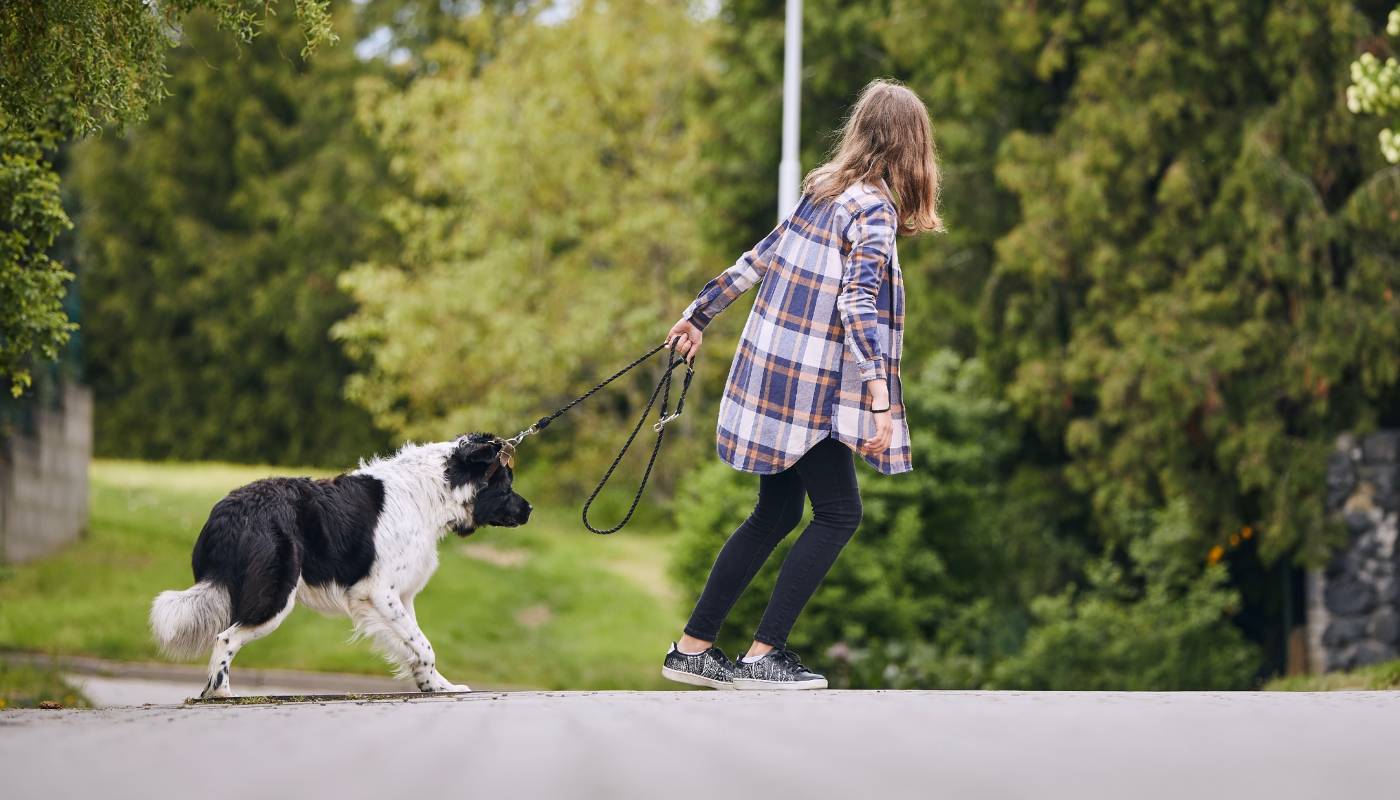
On the average short-leash walk, your dog wants to go one way and you pull them another.
They stop and you keep moving.
They reach for something interesting and you block them.
Again and again, you become the person standing between your dog and everything they want from the outing.
That is a terrible foundation for cooperation, which is one of the key pillars of any strong handler-dog relationship.
Your dog learns to brace against leash pressure or pull through it. You get more frustrated, shorten the leash further, and add tighter heels, more commands, more treats, and more control.
Some of those things can make the walk easier to manage.
But sometimes we wind up adding more and more management to contain frustration that the walk itself keeps creating.
Which, as I’m sure you can guess, just creates more tension, more frustration, less fulfillment…
… The perfect recipe for how to create a reactive dog.
Then… The Trigger Appears
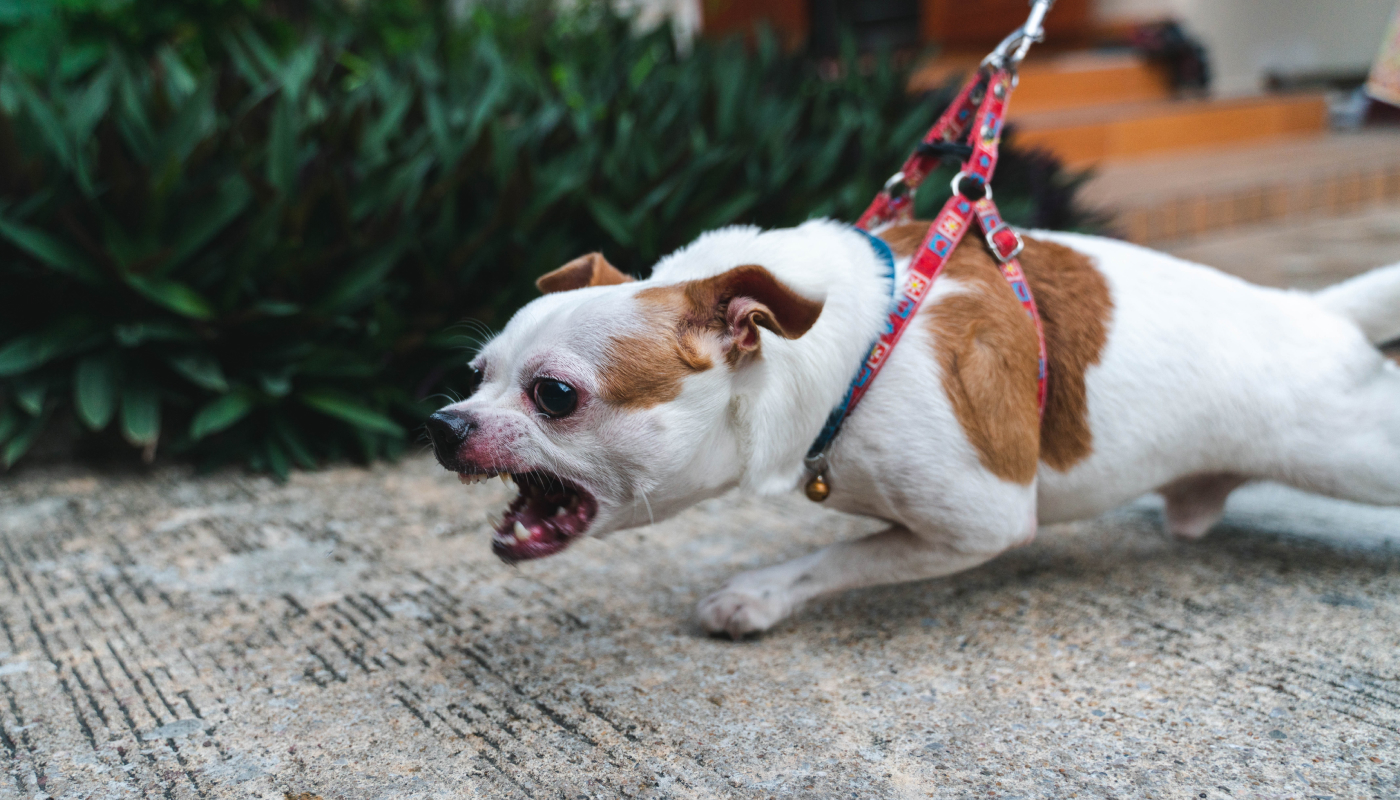
By the time another dog appears around the corner, your dog is now at peak frustration, excitement, overstimulation, and tension.
They’ve spent the last ten minutes getting pulled away from smells, hurried past trees, and blocked from almost everything they wanted to investigate.
Then the trigger appears.
All that pressure finally has somewhere to go.
They bark. They lunge. They slam into the end of the leash. You tighten your grip and pull them back even harder, which adds even more restraint and frustration to the moment.
And then, eventually, the other dog passes.
The pressure is released. The trigger goes away. And your dog has just practiced the same explosive response one more time. And it felt good.
Repeat that often enough and the reaction starts happening faster, harder, and with less thought every time.
None of this means you should throw your short leash in the garbage.
None of this means you should throw your short leash in the garbage.
A six-foot leash is perfect when you need your dog close and under immediate control:
- In a busy apartment building
- On crowded sidewalks
- At the vet or groomer
- Anywhere space is limited or safety requires it
There are plenty of situations where you need your dog within a few feet of you, and the six-foot leash is perfect for those moments.
The problem is using it everywhere because it is the only leash most people own.
A tool designed for close control became the default for exercise, exploration, bathroom breaks, hikes, and every other outing.
What to do instead
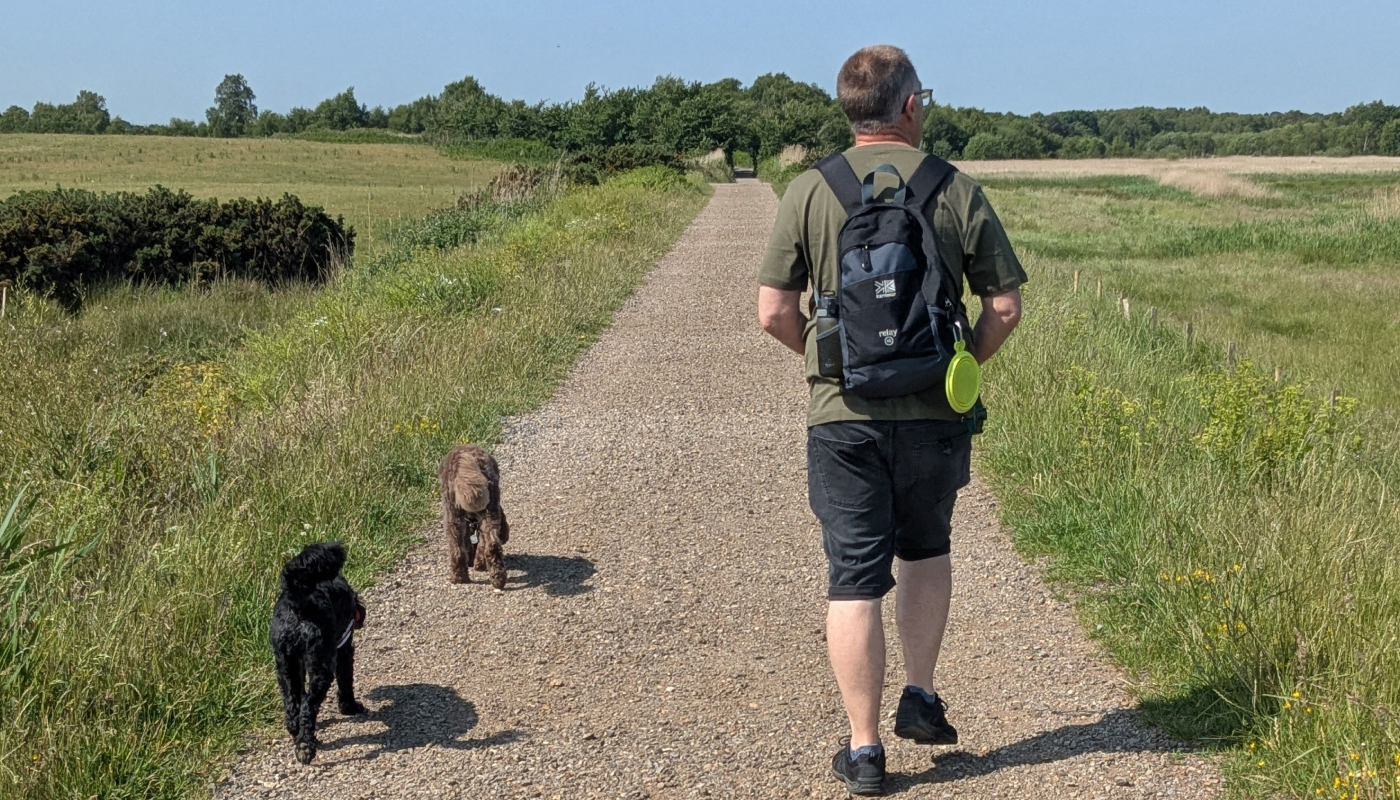
Get a 20-to-30-foot longline or a quality retractable leash.
Drive to somewhere open and quiet, such as:
- A school field after hours
- An empty corporate campus
- A quiet park
- A cemetery
- A large unused sports field
- A Sniffspot
- Any open green space where you can see what is around you
Clip on your retractable or longline, and just let them go.
Let them walk ahead, lag behind, stop at a smell, and wander from one side of the space to the other.
Don’t turn it into a training session. Don’t micromanage their every move. Let them be a dog and make their own choices.
Give your dog a chance to sniff, explore, move, and enjoy being outside with you.
Many owners are shocked by what happens.
The dog who dragged them around the neighborhood stops pulling so hard once there is somewhere to go. The leash stays looser, the argument disappears, and the dog comes home more satisfied.
This is the first piece of what we call a Total Walk → .
Stop Treating Six Feet Like A Law Of Nature
Dog owners spend an enormous amount of time, money, and energy trying to fix pulling, barking, lunging, scanning, and leash reactivity while continuing to use the same tool, in the same way, that feeds tension and conflict every day.
Stop all that.
You will both be so much better off – more fulfilled, more in-tune, less anxious and frustrated — by leaving the 6-foot leash at home, pausing all the micromanagement training, and giving your dog a taste of freedom.
Once you start, you’ll never go back. And you’ll never see the old walk the same again.